Lumistrips UK
 Lumistrips US
 Lumistrips ES
 Lumistrips ITA
VERTICAL FARMS
Ensure year-round stable production of vegetables and fruits.
Applications:
Linear light, Downlight
 Toggle Nav
 Lumistrips EN
Nichia, the world's largest LED manufacturer, introduces the innovative Hortisolis™ Series of white LEDs, designed to optimize plant growth with a specialized light spectrum. This technology maximizes production efficiency in vertical farms while ensuring a comfortable working environment. Hortisolis™ LEDs integrate all the necessary wavelengths for plant growth into a single package using advanced phosphor technology, providing a balanced spectrum that enhances both plant development and worker comfort.
For years, plant growth lighting has focused on blue and red light, the primary wavelengths absorbed by chlorophyll. However, this dual-color lighting can be strenuous for workers and challenging for evaluating plant growth. This challenge has prompted a move toward lighting that simulates natural sunlight, like white light with red light or full-spectrum lighting. The downside of standard white light LEDs is their spectrum does not include essential wavelengths for plant growth, making such horticultural lighting systems less efficient and more expensive.
Hortisolis™ represents an advanced white LED solution that combines all the necessary wavelengths for plant growth into one package using a mix of phosphors. This approach enhances production efficiency per area in artificial farms and simultaneously provides a natural light spectrum, creating a comfortable working environment.
Features of Nichia Hortisolis™
Optimized Spectrum for Plant Growth: Hortisolis™ LEDs deliver an ideal spectrum that includes blue, red, far-red, and green light, catering to the three types of plant photoreceptors: cryptochrome, phototropin, and phytochrome. This comprehensive light spectrum promotes efficient and robust plant growth, potentially doubling growth and yield compared to standard white LEDs.

Enhanced Visibility for Workers: The inclusion of green light in the spectrum softens visual stimuli, making it easier for workers to assess plant health and growth, thereby creating a more comfortable working environment.
High Efficiency and Production: By focusing on the specific wavelengths necessary for photosynthesis, Hortisolis™ LEDs minimize energy consumption and reduce the number of required lighting fixtures, thus optimizing production efficiency.
Versatility in Applications: Hortisolis™ LEDs are suitable for both closed-type artificial farms and solar-based greenhouses, providing flexibility for various horticultural environments.
Maximized Production Efficiency: Concentrating on specific wavelengths required for photosynthesis, Hortisolis™ LEDs reduce energy consumption and the number of lighting fixtures needed, maximizing production efficiency per area.
Improved Working Environment: The balanced spectrum, including green light, reduces visual strain and allows workers to easily monitor plant health and growth, enhancing comfort and efficiency.
Enhanced Plant Growth: The inclusion of far-red light stimulates the shade avoidance response in plants, encouraging them to extend their stems for better light absorption and promoting robust growth.
Sustainable and Cost-Effective: Hortisolis™ LEDs offer a sustainable lighting solution that reduces operational costs associated with artificial farming, making them a cost-effective choice for large-scale agricultural operations.
Standardized LED Package: Utilizing the standard Nichia 757, 3030 LED package, Hortisolis™ LEDs are easy to integrate into many LED strip designs. Multichannel LED systems with Hortisolis, Blue, and Red LEDs can be manufactured for enhanced results in specific applications.

Ensure year-round stable production of vegetables and fruits.
Applications:
Linear light, Downlight

Enhancing plant growth during cloudy days, evenings, and nights.
Applications:
Linear light, Downlight

Enable advancements in agricultural technology.
Applications:
Linear light, Downlight, Spotlight

Provide the optimum wavelengths needed for optimal algae growth.
Applications:
Linear Light, Downlight

Creates vibrant, healthy indoor plant environments.
Applications:
Linear light, Downlight, Spotlight

Homeowners can enjoy fresh produce and greenery year-round
Applications:
Linear light, Downlight, Spotlight
Nichia Hortisolis™ represents a significant advancement in horticultural LED lighting technology. By providing an optimized spectrum for plant growth, these LEDs enhance production efficiency and create a better working environment. With versatile applications ranging from vertical farms to solar-based greenhouses, algae farms, green spaces in offices and public buildings, and residential settings, Hortisolis™ LEDs offer a sustainable, cost-effective solution for modern agriculture:
Vertical Farms: Ideal for closed-type artificial farms that rely solely on artificial light, ensuring year-round stable production of vegetables and fruits, unaffected by weather conditions or natural disasters.
Solar-Based Greenhouses: Serves as supplementary lighting in greenhouses that primarily use natural sunlight, enhancing plant growth during cloudy days, evenings, and nights.
Research and Development Facilities: Used in research facilities to study plant growth under controlled lighting conditions, such as growth chambers, enabling advancements in agricultural technology.
Algae Farms: Provides the precise wavelengths needed for optimal algae growth, suitable for use in algae farming for biofuel production, food supplements, and other applications.
Green Spaces in Offices and Public Buildings: Integrating Hortisolis™ LEDs into green spaces within office buildings and public areas creates vibrant, healthy indoor plant environments that improve air quality and enhance aesthetic appeal.
Residential Settings: Perfect for residential use, supporting plant growth in home gardens, indoor plant setups, and hydroponic systems, allowing homeowners to enjoy fresh produce and greenery year-round.
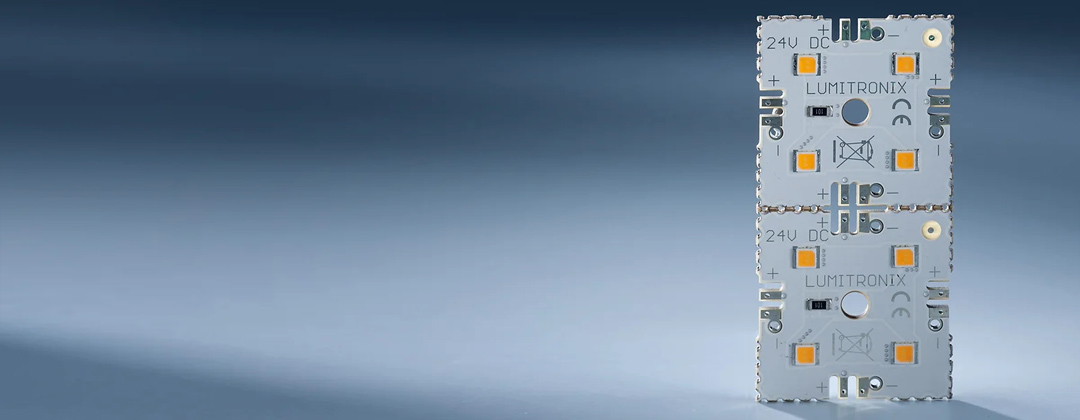
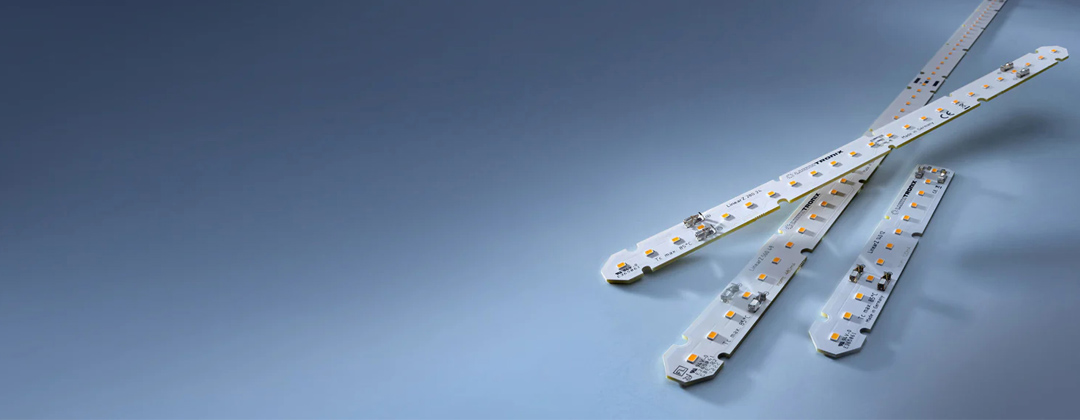
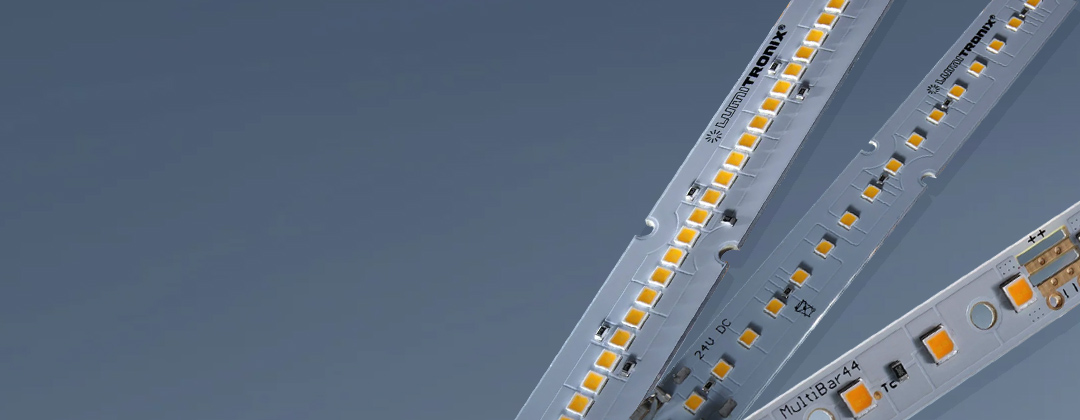
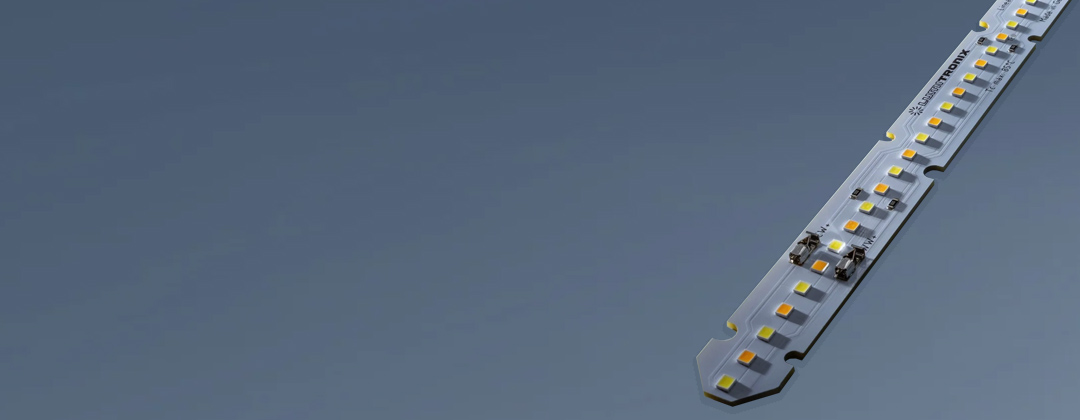
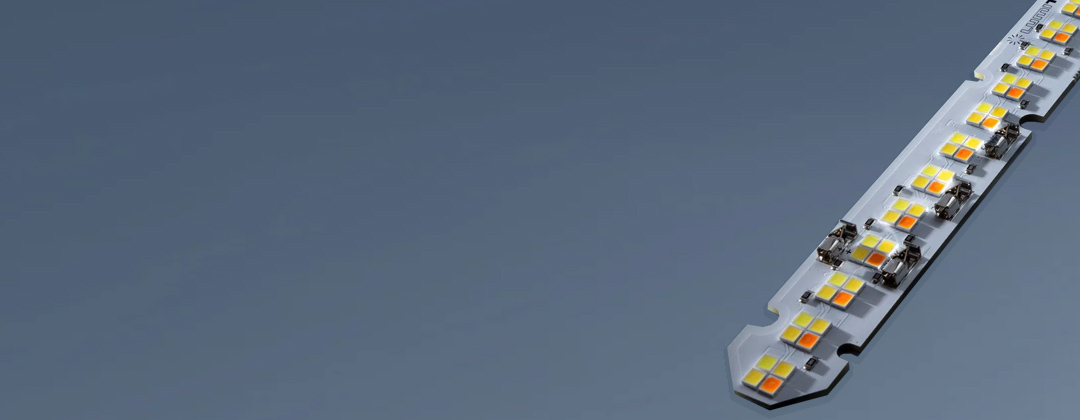
Our configurable linear LED modules and strips for horticulture feature Nichia Hortisolis LEDs. Produced in our cutting-edge manufacturing center in Germany, these lighting systems showcase precision and innovation. Leveraging Nichia Hortisolis' leading LED technology, you can enhance production while ensuring a pleasant working environment.
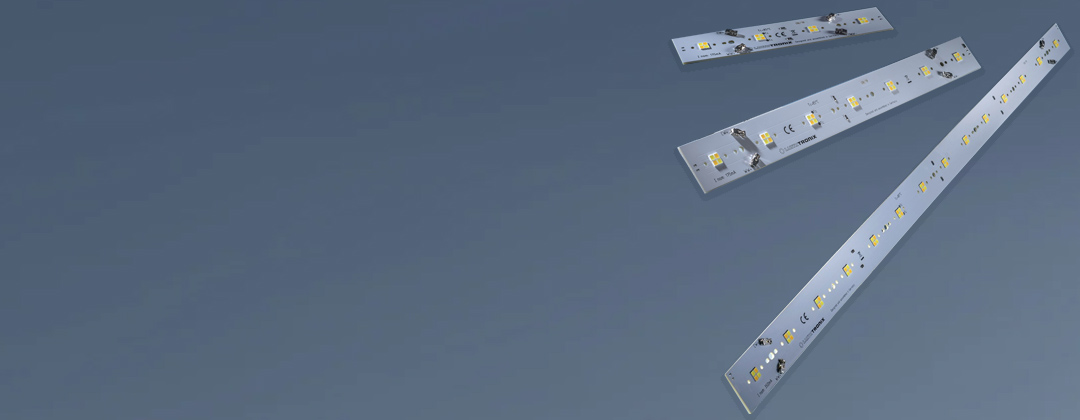
Our range of Multi-Channel LED modules and strips can meet a wide range of dynamic lighting applications with Nichia Hortisolis LEDs, including adding Red or Blue LEDs for special applications.
Experimental results from Nichia's own vertical farm have demonstrated the superior performance of Hortisolis™ LEDs, showing significant increases in plant growth and yield compared to conventional Ra80 LEDs.
Leaf Lettuce Growth Test: Achieved a 1.5 times increase in total weight compared to standard lighting. [Example 1]
Edible Viola Growth Test: Observed a 1.4 times increase in the number of petals over a two-month period. [Example 2]
Cherry Tomato Growth Test: Recorded fast growth and more than double the harvest weight within two months. [Example 3]
[Example 1] Leaf lettuce growth test: 1.5 times increase in the total weight
 1 PFD: photon flux density, the number of photons that pass through a unit area in a unit of time.
2 These comparative growth tests were performed using Nichia light sources.
3 The above result (amount of harvest) is a month after the observation period.
4 The weight of a harvest is greatly affected by the conditions. Nichia suggests not to focus on the absolute value, but instead see the comparison with conventional lighting.
[Example 2] Edible viola growth test: 1.4 times increase in the number of petal

1 PFD: photon flux density, the number of photons that pass through a unit area in a unit of time.
2 These comparative growth tests were performed using Nichia light sources.
3 The above is a result of 2 month observation period.
4 The weight of a harvest is greatly affected by the conditions. Nichia suggests not to focus on the absolute value, but instead see the comparison with conventional lighting.
[Example 3] Cherry tomato growth test: Fast growth and more than double the harvest weight

1 PFD: photon flux density, the number of photons that pass through a unit area in a unit of time.
2 These comparative growth tests were performed using Nichia light sources.
3 The above is a result of 2 months observation period.
4 The weight of a harvest is greatly affected by the conditions. Nichia suggests not to focus on the absolute value, but instead see the comparison with conventional lighting.
[Example 4] Cherry tomato growth test: Easy to verify the degree of growth