
 Lumistrips UK
 Lumistrips US
 Lumistrips ES
 Lumistrips ITA
LED Grow Light Spectrum by Crop: Lettuce, Tomato, Strawberry & Herbs
-
 By
Lumistrips LED Professional
By
Lumistrips LED Professional
- Apr 16, 2026

Part of the Lumistrips Horticulture LED Series — a technical resource for growers, vertical farm operators, and horticultural engineers.
Why Spectrum Is a Crop-Specific Variable, Not a System Default
One of the most persistent misconceptions in horticulture lighting procurement is that a single "optimal" spectrum exists — that there is a correct red-to-blue ratio that produces the best results across all crops, stages, and growing environments. The research does not support this. Plant responses to LED illumination are fundamentally species-specific, cultivar-specific, and growth-stage-specific. A spectrum that maximises fresh weight in butterhead lettuce will not be the right choice for fruiting pepper, flowering strawberry, or medicinal herb secondary metabolite production.
This has a direct consequence for system design: the choice of LED components, their wavelength bins, and their relative flux ratios must be informed by the crop being grown and the production outcome being targeted — whether that is maximum biomass, highest antioxidant content, compact morphology for propagation, or controlled flowering time.
Lumistrips' knowledge base includes the results of many quantitative studies on LED illumination effects across vegetables, herbs, fruiting crops, and specialty plants. This article translates that research into practical spectral design guidance for the crops most commonly grown in controlled environments.
The Research Landscape: Lettuce, Tomato, and Strawberry are the Most Reaserched
Before diving into crop-specific recommendations, it is worth understanding where the evidence base is strongest and where it is thinnest. In published research on LED effects on vegetables and herbs, lettuce accounts for approximately a third of studies — by far the most researched crop. Tomato follows, then pepper, kale, basil and broccoli. The remaining crops, including cucumber, strawberry, spinach, and herbs such as coriander and radish, are represented in the smallest numbers.
This distribution means that spectral recommendations for lettuce carry the strongest evidentiary weight, while recommendations for less-studied crops carry more uncertainty and require more conservative, flexible system designs. Where data is sparse, a programmable multi-channel LED system that allows spectrum adjustment after installation is a more prudent engineering choice than a fixed single-spectrum module.
The dominant wavelengths most studied across all crops are red (640–720 nm) and blue (425–490 nm), reflecting the historical priority placed on chlorophyll absorption peaks. Far-red, full-spectrum and green-supplemented designs are a more recent and growing area of research.
Lettuce (Lactuca sativa): The Most Studied, Most Nuanced Case
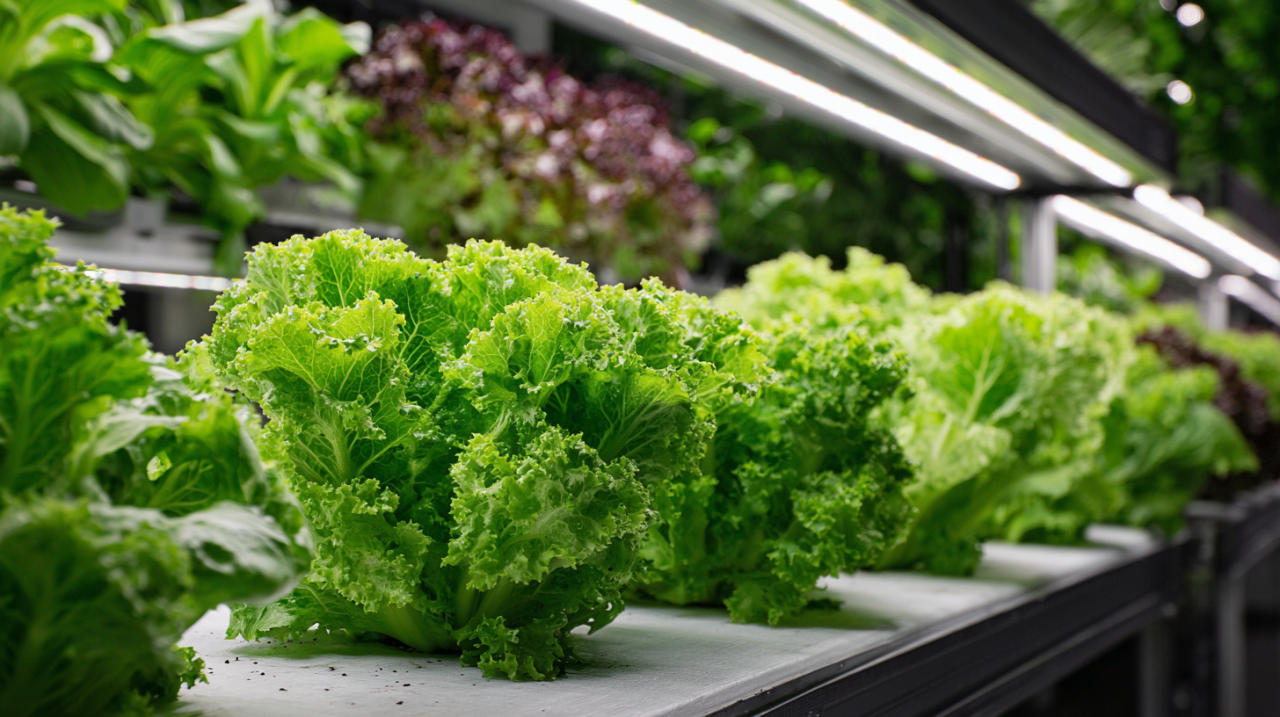
Lettuce is the most cultivated plant in controlled greenhouse environments worldwide, and it has the largest body of LED illumination research. The data reveals a nuanced picture that challenges simple prescriptions.
Red and Blue Ratios: Where the Evidence Is Clear
The foundational finding is consistent across studies: 100% red LED illumination alone is not adequate for lettuce. While red-only treatment can stimulate initial shoot elongation, it produces lower biomass, lower chlorophyll content, lower carotenoid accumulation, and reduced antioxidant capacity compared to mixed red/blue treatments. The 100% red treatment produces L-shaped lettuce — tall and elongated, but nutritionally and structurally inferior.
The addition of blue light resolves this. Research comparing four spectral treatments (83% R + 17% B, 91% R + 9% B, 95% R + 5% B, and 100% R) across lettuce, spinach, kale, basil, and pepper found that the 91% R + 9% B treatment produced the highest total chlorophyll accumulation in lettuce — 1.2 times higher than 100% red alone. Total chlorophyll in the 91R:9B treatment reached 800.4 µg g⁻¹ dry mass versus 661.4 µg g⁻¹ under 100% red. For antioxidant capacity (DPPH scavenging activity), the 83% R + 17% B treatment produced the best results in lettuce, 1.3 times higher than 100% red.
The practical implication: for lettuce biomass and chlorophyll, 9% blue is the approximate optimum. For antioxidant content and carotenoid accumulation, 17% blue produces better results. These are not contradictory — they reflect different production targets. A grower optimising for fresh weight yield and a grower targeting nutritional premium product should specify different spectra.
The Role of Far-Red in Lettuce
Far-red supplementation increases total biomass and promotes leaf elongation in lettuce through the shade avoidance response — an effect that is useful for head lettuce types where leaf area and fresh weight are the target metrics. However, far-red illumination decreases pigment concentration, which negatively affects nutritional quality and colour intensity. For red leaf lettuce varieties where visual quality and anthocyanin content are commercially important, far-red supplementation should be used with caution or avoided entirely.
Green Light and Canopy Penetration
Green light (490–560 nm) has been shown to increase fresh weight in lettuce by improving carbon fixation in lower canopy layers that red and blue photons cannot reach efficiently. In multi-layer vertical farm configurations where dense leaf canopies are common, this penetration advantage makes a measurable difference to whole-plant productivity. The addition of green light also reverses the UV/blue defence mechanism that can otherwise suppress photosynthetic efficiency — a secondary benefit of full-spectrum designs.
Practical Spectral Recommendations for Lettuce
- For maximum fresh weight / biomass: 91% red (660 nm) + 9% blue (450 nm), PPFD 200–300 µmol m⁻² s⁻¹, 16h photoperiod. Consider adding 10–20% green for multi-layer systems.
- For maximum antioxidant / nutritional quality: 83% red + 17% blue, or a full-spectrum design including green content. Consider Nichia Hortisolis, Nichia H6 or Seoul Semiconductor SunLike for single-component full-spectrum delivery.
- For red leaf lettuce / anthocyanin promotion: Higher blue proportion (up to 17%), avoid far-red supplementation, include UV-A component where possible.
- For head lettuce / elongated leaf types: Moderate far-red supplementation (730 nm) can increase dry weight and leaf elongation.
Spinach (Spinacea oleracea) and Kale (Brassica oleracea var. sabellica)
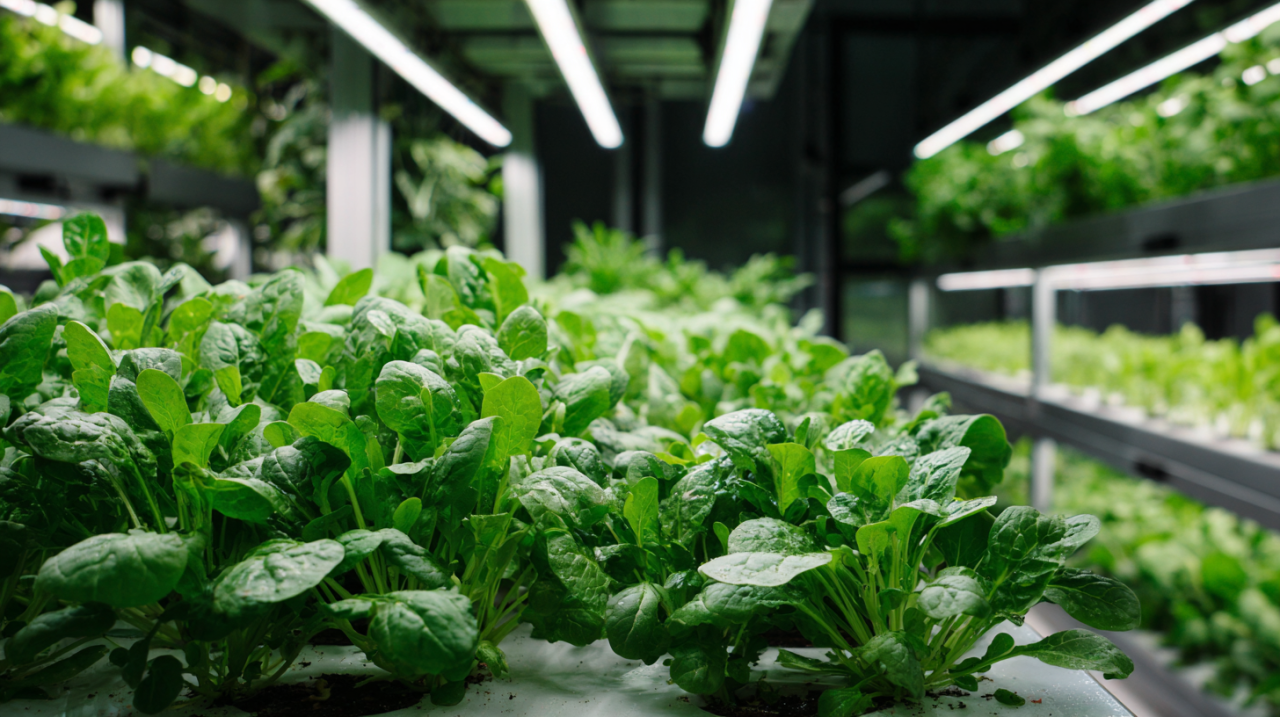
Spinach and kale respond similarly to lettuce in their fundamental requirement for combined red and blue light, but with species-specific differences in the optimal ratio.
In the multi-species comparison study, spinach achieved its highest total chlorophyll (777.4 µg g⁻¹ DM) under the 91% R + 9% B treatment, consistent with lettuce. However, carotenoid accumulation in spinach was highest under both the 83% R + 17% B and 91% R + 9% B treatments, with no significant difference between them — suggesting spinach is more tolerant of blue light variation than lettuce or basil in terms of carotenoid response.
Kale shows a different optimum for chlorophyll accumulation — the 95% R + 5% B treatment produced the highest total chlorophyll (968.4 µg g⁻¹ DM), compared to 781.8 µg g⁻¹ under 83% R + 17% B. Carotenoid content in kale peaked under the higher blue treatment (83R:17B). This divergence between chlorophyll and carotenoid optima in kale is practically significant: a grower targeting both high chlorophyll and high carotenoid yield from kale faces a genuine trade-off that cannot be resolved by a fixed single-spectrum system. A two-channel or programmable LED module that allows the blue ratio to be adjusted between growth stages is the technically correct solution.
For spinach, supplemental blue light at 445 nm (cold white LEDs with very high 445 nm photon flux) has been shown to accelerate plant development by a full week compared to red-dominated spectra — a meaningful cycle-time advantage in high-turnover vertical farm production.
Basil (Ocimum basilicum): High Blue Tolerance, Specific Ratio for Biomass
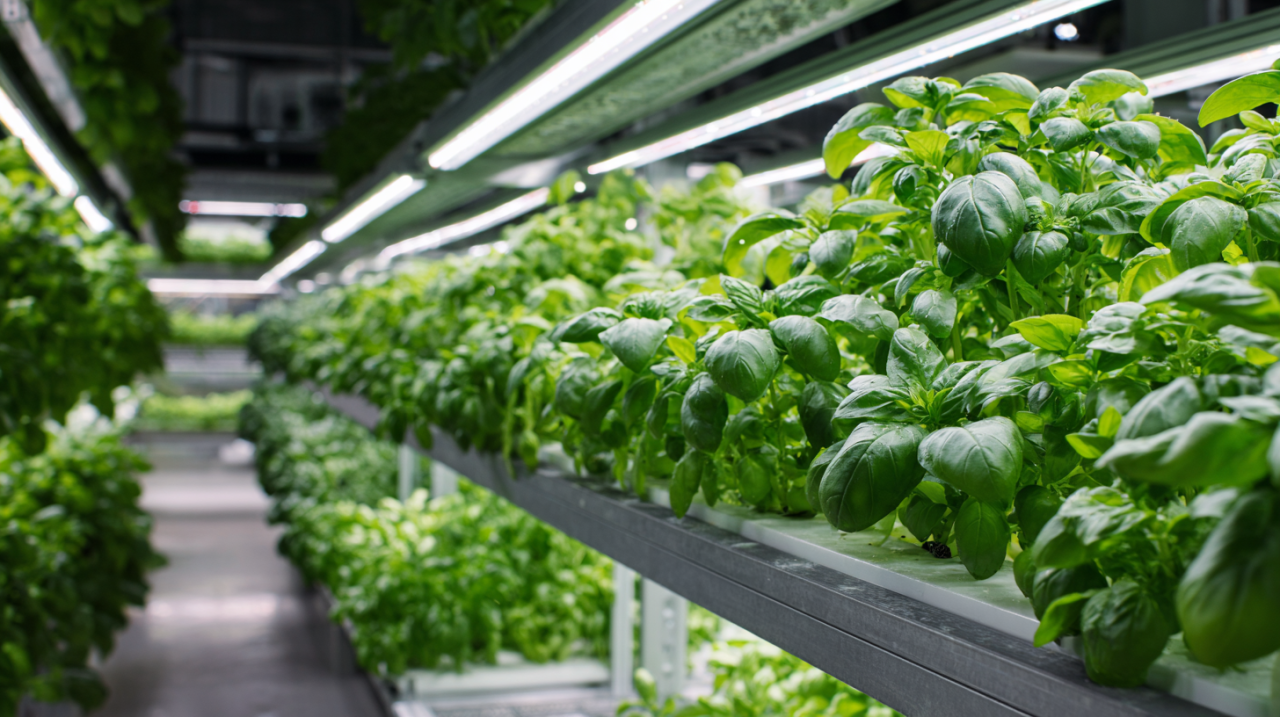
Basil is one of the most commercially valuable herb crops and shows distinctive responses to spectral ratios. Unlike lettuce and spinach, where 9% blue is the typical biomass optimum, basil biomass responds positively to higher blue content. The dry weight of basil shoots is highest under 30% blue + 70% red illumination at 250 µmol m⁻² s⁻¹, and lateral shoot fresh weight is maximised under high-proportion blue illumination.
In the comparative study, basil chlorophyll accumulation peaked under 91% R + 9% B (859.8 µg g⁻¹ DM), while carotenoid content was highest under the 83% R + 17% B treatment (316.7 µg g⁻¹ DM) — the highest carotenoid value recorded across all five species tested. This high carotenoid yield under higher blue input makes basil a strong candidate for blue-enriched full-spectrum designs when nutritional quality is the production target.
Red light at 635 nm and 660 nm has been shown to delay the transition to blossoming in basil — a consequence of the red light syndrome manifesting as extended vegetative phase. This is commercially useful for leaf yield maximisation (delaying flowering extends the harvest window) but must be carefully managed alongside blue light input to avoid overall growth suppression from excessive red.
Rosmarinic acid, the primary antioxidant phenolic compound in basil, increases under red LED illumination specifically — a wavelength-specific nutritional quality response that differs from the general antioxidant pattern. Operators targeting premium nutritional basil production should consider a phased spectral approach: higher blue content during vegetative growth for biomass, transitioning to higher red content pre-harvest to boost rosmarinic acid concentration.
Pepper (Capsicum annuum): Multi-Spectral Requirements Across Growth Stages
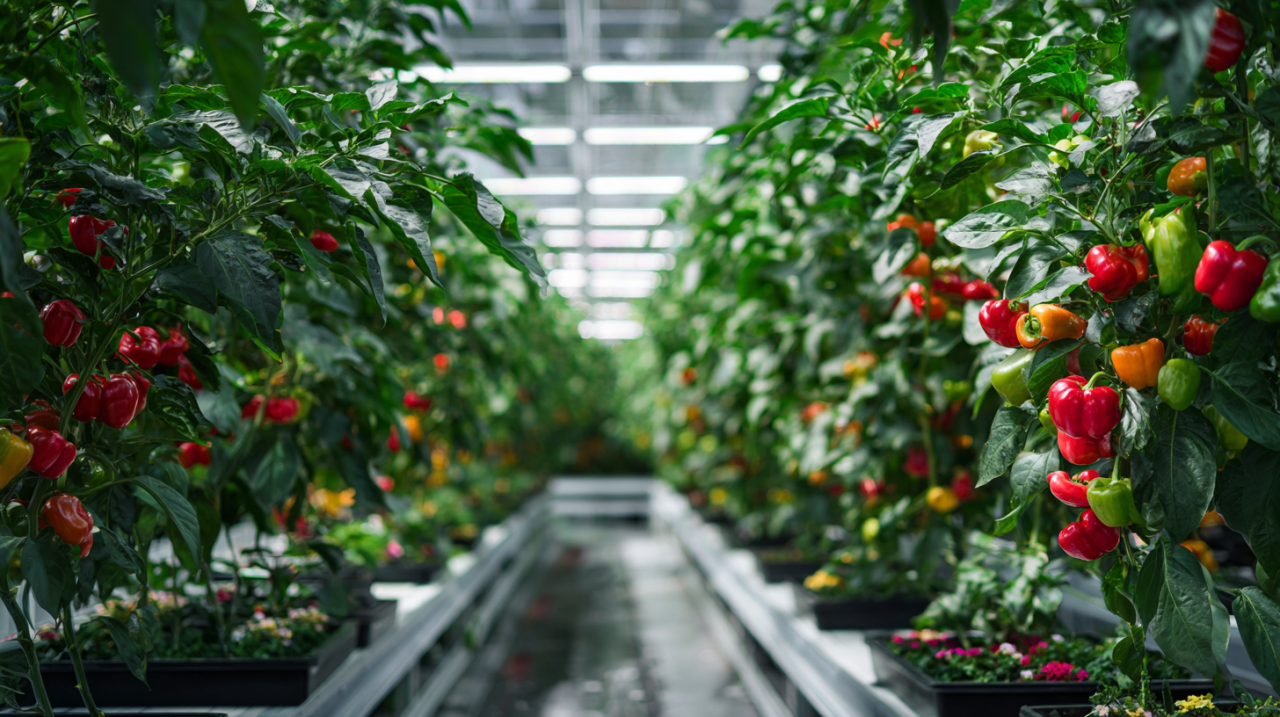
Pepper is one of the most commercially significant crops grown in protected environments and presents a more complex spectral picture than leafy vegetables, because both vegetative growth and fruiting quality are important production targets — and they respond differently to spectral inputs.
During vegetative growth, the combination of red and blue LED light greatly increases both the size and weight of pepper plants, with the 91% R + 9% B treatment producing the highest chlorophyll (859.8 µg g⁻¹ DM) in the comparative study. Carotenoid content peaked under 83% R + 17% B (316.7 µg g⁻¹ DM).
For fruiting, spectral design becomes more nuanced. Red and blue light in combination allows modulation of capsaicinoids — the compounds responsible for pungency — as well as carotenoids that determine fruit colour. Tomato and sweet pepper plants have been shown to react specifically to 505 nm green light but not to 530 nm green light, a wavelength specificity within the green band that is highly relevant for full-spectrum LED component selection. Not all "green" LEDs will produce the same response.
Far-red supplementation in the red/blue + far-red treatment (at 739 nm, 40 µmol m⁻² s⁻¹ supplemental) has been shown to slightly increase fresh weight in pepper. However, red light alone causes leaf curling in certain pepper and tomato genotypes — a morphological stress response that blue light and far-red must be present to counteract.
For PPFD, pepper is a higher-demand crop than leafy greens. Commercial production lighting typically targets 400–600 µmol m⁻² s⁻¹ for supplemental greenhouse applications, with sole-source vertical farm systems requiring 600+ µmol m⁻² s⁻¹ during fruiting stages. This places pepper in the category of crops where high-efficiency red LED components — specifically Osram Hyper Red at 660 nm or Cree Photo Red S Line — have the most significant impact on system TCO, given the extended operating hours and high power levels required.
Tomato (Solanum lycopersicum): Red/Blue Foundation with Green and Far-Red Modulation
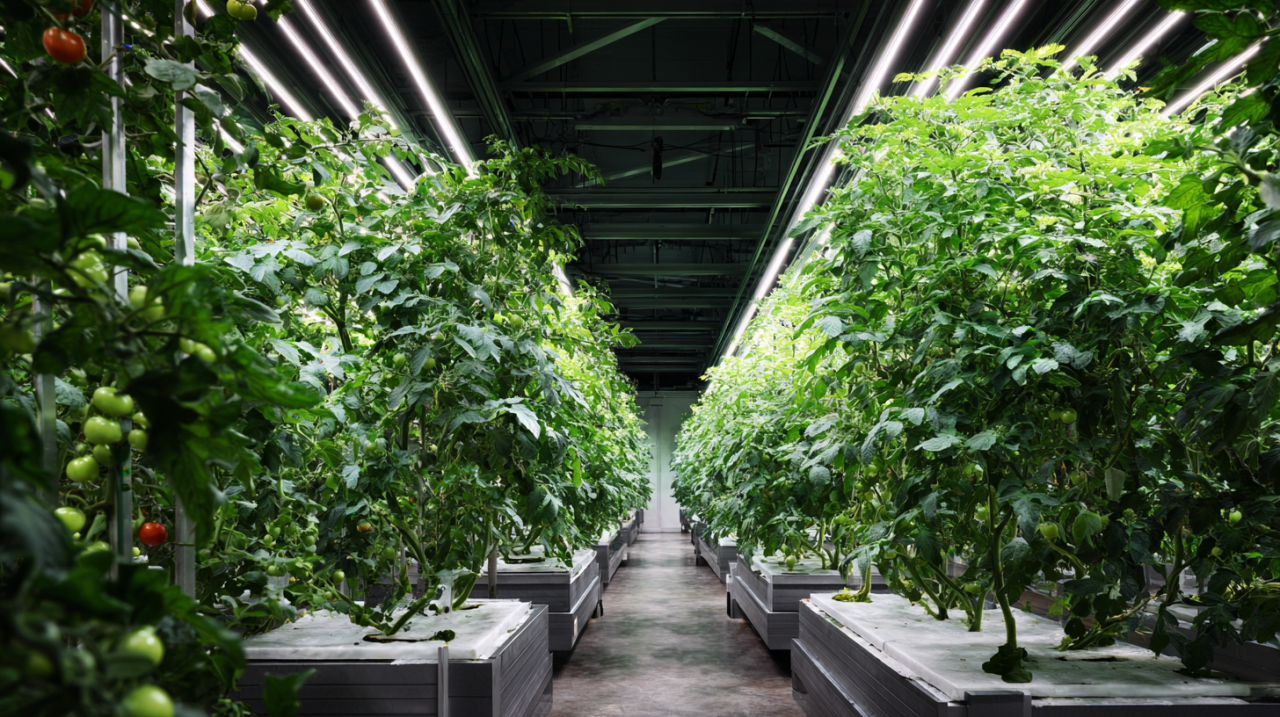
Tomato is the highest-value greenhouse crop globally and has been studied extensively in LED contexts. The core spectral findings are consistent across the literature: red and blue light in a 3:1 ratio assists morphological development and significantly improves both fruit yield and quality compared to single-wavelength treatments. Blue light at 450 nm, added to a red-dominant regime, shortens tomato seedling stem length (desirable for transplant compactness), increases leaf area, and improves fruit nutritional quality.
Blue light at 456 nm has also been shown to increase chlorophyll and flavonol contents in tomato genotypes and improves disease resistance — a secondary benefit particularly relevant in high-humidity greenhouse environments where fungal pressure is significant. Blue-violet wavelengths specifically improve tomato's resistance to certain pathogens, which is discussed further in the disease management article in this series.
Green light at 505 nm produces positive photosynthesis responses in tomato — the same wavelength specificity observed in pepper. At the system level, this supports the case for full-spectrum LED designs in tomato production where both canopy penetration and worker environment quality are priorities.
For high-wire greenhouse tomato, where plants can reach 10+ metres and inter-lighting is used to supplement light deep in the canopy, the combination of overhead supplemental lighting with inter-lighting bars creates a complex multi-zone spectral environment. In practice, overhead lighting can use high-efficiency red/blue with optional far-red for the Emerson enhancement effect, while inter-lighting bars should use a lower-intensity, broader spectrum to avoid the leaf-curling response that can occur when intense red light is applied at close range to mid-canopy leaves.
Cucumber (Cucumis sativus): Blue-Tolerant, High Canopy Demand
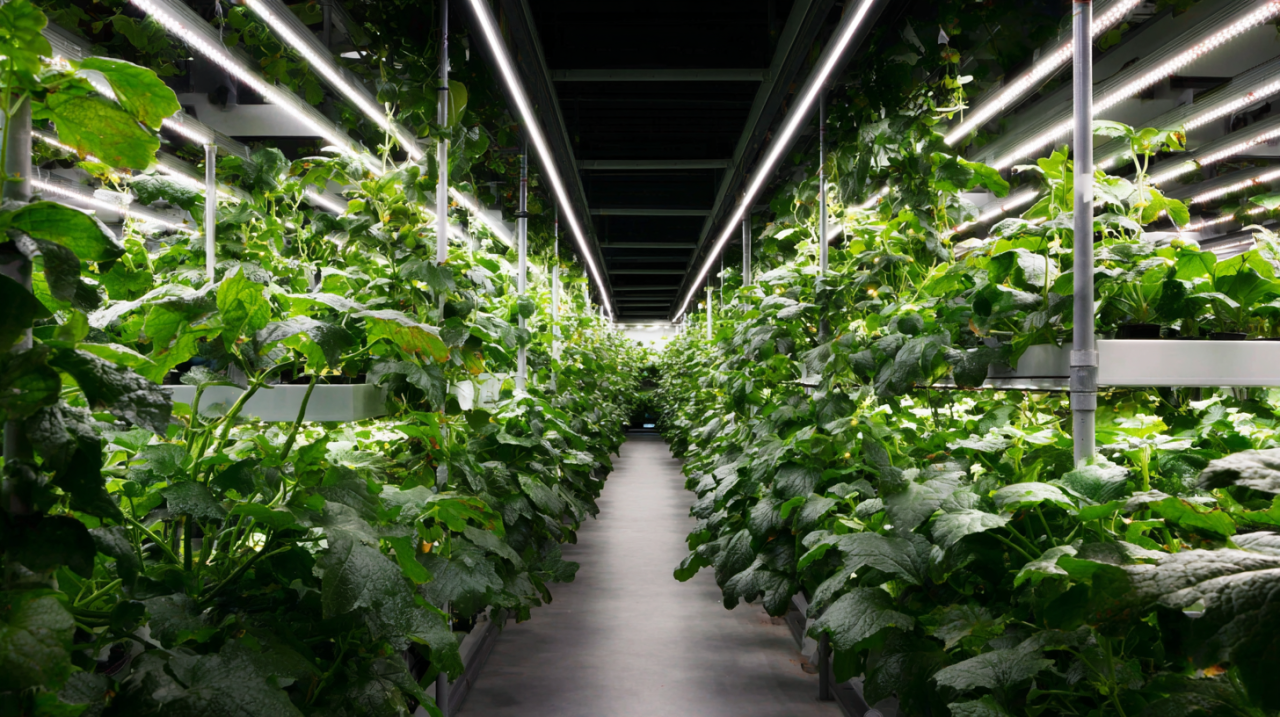
Cucumber is notably blue-tolerant relative to most other crops studied, and this characteristic shapes its spectral design requirements. A 7% blue + 93% red ratio has been shown to be sufficient to prevent dysfunctional photosynthesis and doubles photosynthetic capacity compared to red-only treatment. This effect increases as long as blue light stays below 50% of total irradiance — a wider tolerance window than most leafy vegetables.
Blue light at 455 nm improves cucumber photosynthetic pigment concentrations and overall quality, and also improves nitrogen content, chlorophyll content, and stomatal conductance — increasing the rate of CO₂ and water vapour exchange through the stomata. Monochromatic blue light has been claimed in more recent research to enhance cucumber growth rates most efficiently, though this finding should be interpreted cautiously given the species' need for red light at higher PPFD levels during fruiting.
For cucumber seedlings and propagation, supplemental 622 nm red light can increase growth rate without affecting total final mass — useful for accelerating the seedling phase before transplanting to a production system with higher PPFD and a broader spectrum.
Strawberry (Fragaria × ananassa): Photoperiod Management and Propagation Lighting
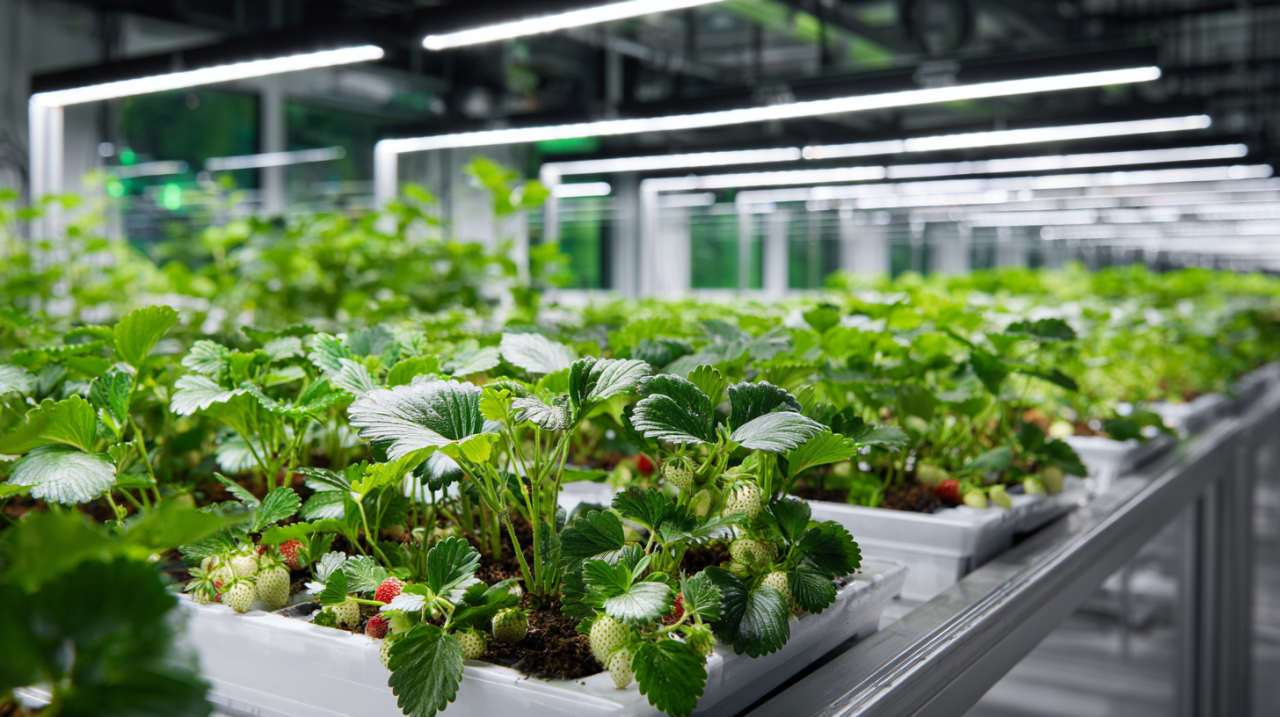
Strawberry presents a distinct spectral engineering challenge because the agronomic goals differ significantly between the propagation phase (runner plant production) and the production phase (fruit yield and quality). Both phases have well-evidenced LED lighting requirements.
Propagation: White LEDs with Green Content
Research specifically comparing warm-white LEDs (WWL), mint-white LEDs (MWL), and cool-white fluorescent lamps for strawberry propagule and runner plant production found that mint-white LEDs — which emit a relatively high proportion of green light and have a CCT of approximately 7248 K — produced the greatest number of leaves, highest leaf area, best top/root dry weight ratio, and highest number of newly formed runners per propagule. The photosynthetic photon efficacy of both white LED treatments (5.40 µmol s⁻¹ W⁻¹) was 62.6% higher than the fluorescent control (3.38 µmol s⁻¹ W⁻¹).
The research concludes that full-spectrum white LEDs with higher green content are satisfactory replacements for conventional fluorescent lamps in strawberry propagation systems (S-PFALs). Lumistrips' experience with strawberry propagation projects supports full-spectrum LED module designs that leverage white LEDs with enhanced green content — and the data demonstrates that an optimised LED propagation system can reduce the time required to produce one billion transplants from six years to two years compared to conventional lighting.
Production: Phytochrome Management and Night-Break Lighting
Strawberry is a short-day (SD) cultivar — floral induction occurs in early autumn when day length shortens. In northern-latitude greenhouse operations, the goal is typically to prevent plants from entering winter dormancy and to maintain productive vegetative growth through the season. This requires supplemental lighting designed around phytochrome management rather than photosynthesis driving.
The key spectral tool is far-red (730 nm) in combination with red (660 nm), delivered during night-break or day-extension protocols. The red-to-far-red ratio determines the phytochrome photostationary state (PSS) — the equilibrium between the Pr (inactive, absorbs red) and Pfr (active, absorbs far-red) forms. Night-break lighting with a red/far-red component signals a "long day" to the plant, preventing the dormancy response. In northern Asian countries, this protocol is standard practice for winter strawberry production.
For supplemental production lighting, the saturated PPFD for strawberry is reportedly 800–1,200 µmol m⁻² s⁻¹. Full-spectrum LED systems with adequate red content for photosynthesis, supplemental far-red for phytochrome management, and blue for vegetative quality maintain healthy, productive plant architecture through winter.
Blue light has also been shown to increase anthocyanin content of strawberries even post-harvest — a data point relevant to operators in premium fresh markets where fruit appearance and nutritional credentials are commercially differentiated.
Medicinal Plants and Secondary Metabolite Production
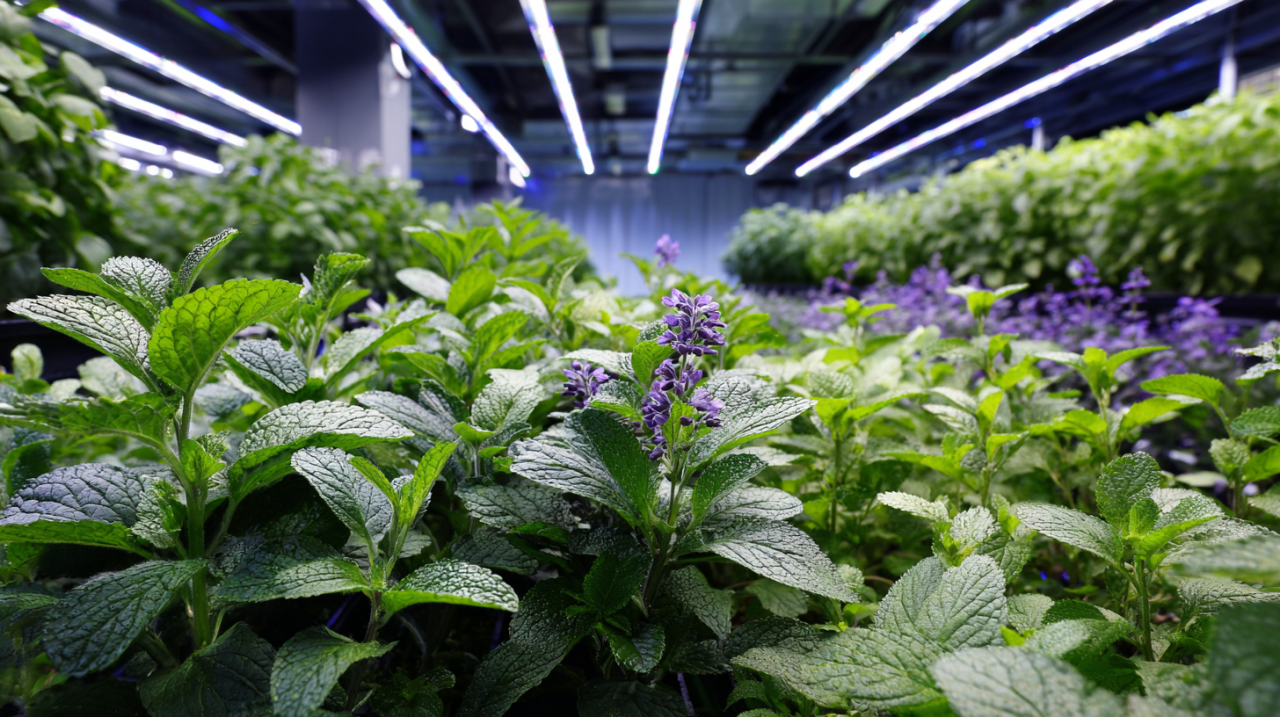
For medicinal herb and secondary metabolite production, the spectral design logic differs fundamentally from leafy vegetable production. The target is not biomass maximisation — it is the accumulation of specific bioactive compounds in the plant's tissues, which often requires deliberate induction of the plant's defence and stress response pathways.
The general principle is well-evidenced: cryptochrome receptors, activated by UV-A and blue light, trigger defence reactions in plants that produce secondary metabolites including vitamin C, anthocyanins, flavonoids, and phenolic compounds. Blue and UV-A light are therefore the primary tools for secondary metabolite induction.
For plants grown specifically for medicinal components from floral tissues — the pattern observed in lavender, chamomile, cannabis, and similar crops — the spectral strategy is stage-dependent: sufficient red light during vegetative growth for high flower yield (maximum biomass accumulation in floral tissue), then increasing blue and UV content at the pre-flowering and flowering stages to maximise the concentration of the target medicinal compound. Green light reportedly enhances the formation of specific chemicals that combine with medicinal compounds to amplify their effect — a synergistic benefit that supports full-spectrum designs in medicinal crop production even where energy efficiency alone might favour narrow-band red/blue.
For cannabis specifically, research has shown that blue and red LED illumination (100% blue + red or 50% white LED light at 200 µmol m⁻² s⁻¹) reduces leaf area compared to broader-spectrum treatment — a possible consequence of the dose and spectrum conditions used rather than a fundamental blue/red limitation. Multi-channel programmable systems that allow independent control of blue, red, and far-red at each growth stage are the appropriate module architecture for cannabis production.
Cross-Crop Summary: The Species-Specificity Principle in Practice
The data across all crops studied leads to one overarching conclusion that should inform every spectral design decision: plant response to LED illumination is species-specific, and often cultivar-specific within a species. There is no universally optimal spectrum.
The ranges identified as most valuable across crops are: red (640–720 nm), blue (425–490 nm), green (490–560 nm), and far-red (~720–750 nm). Within these ranges, the correct proportions vary by crop, growth stage, and production objective. The table below summarises the evidence-based starting point for each major crop discussed:
| Crop | Red (nm) | Blue (nm) | R:B ratio (biomass) | Far-Red | PPFD target |
|---|---|---|---|---|---|
| Lettuce | 660 | 450 | 91:9 | Optional (elongation) | 200–300 µmol m⁻² s⁻¹ |
| Spinach | 660 | 445–450 | 91:9 | Not recommended | 200–300 µmol m⁻² s⁻¹ |
| Kale | 640–660 | 450 | 95:5 (chl) / 83:17 (carot.) | Not recommended | 200–350 µmol m⁻² s⁻¹ |
| Basil | 660 | 450 | 70:30 | Avoid (delays flowering) | 200–300 µmol m⁻² s⁻¹ |
| Pepper | 660 | 450 + 505 nm green | 91:9 veg / broader fruiting | Moderate (739 nm) | 400–600 µmol m⁻² s⁻¹ |
| Tomato | 660–680 | 450 + 505 nm green | 3:1 R:B | Optional Emerson effect | 400–800 µmol m⁻² s⁻¹ |
| Cucumber | 638 | 450–455 | 93:7 minimum | Not studied | 300–500 µmol m⁻² s⁻¹ |
| Strawberry (prop.) | White LED | White LED (green-rich) | Full spectrum | Not required | 180 µmol m⁻² s⁻¹ |
| Strawberry (prod.) | 660 | 450 | R/B + far-red | 730 nm (essential) | 800–1,200 µmol m⁻² s⁻¹ |
| Medicinal / herbs | 660 (veg), reduced (flower) | 450 + UV-A (flower) | Stage-dependent | Stage-dependent | 200–400 µmol m⁻² s⁻¹ |
Practical Module Design Implications
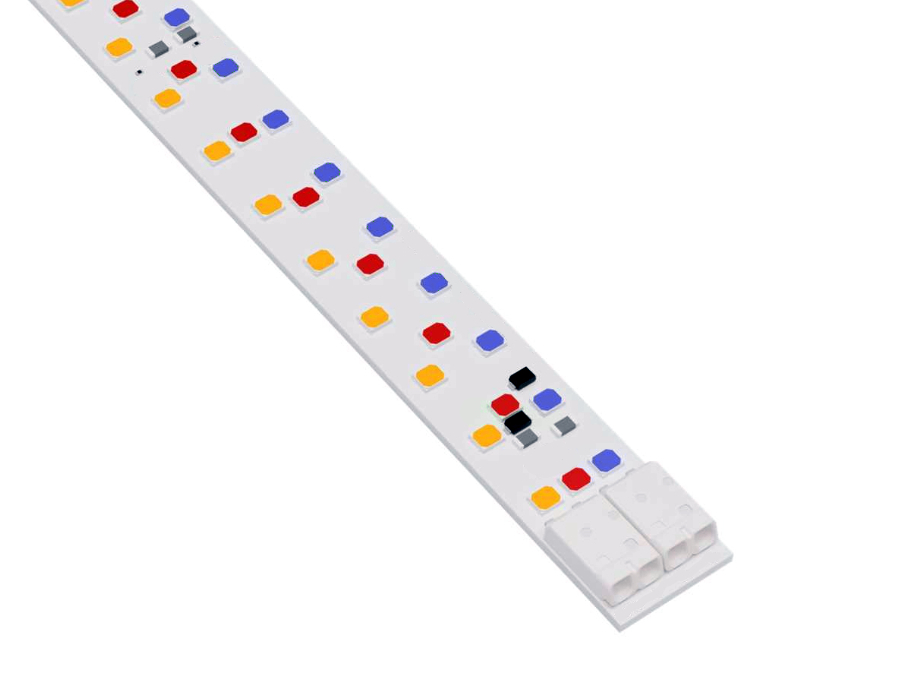
The crop-specific data above carries direct consequences for how LED modules should be engineered and specified.
Fixed single-spectrum modules are appropriate where a single crop is grown continuously in the same facility at the same growth stage — for example, a dedicated lettuce vertical farm with a fixed 91:9 red/blue ratio. In this case, the module can be optimised for that exact spectral output, with the most efficient red and blue LED components, maximising PPE and minimising TCO.
Two-channel (white + red) modules offer flexibility between a broad-spectrum white base and additional red power, allowing the operator to vary the relative contribution of each channel. This architecture is well-suited to mixed-crop greenhouses or facilities that grow different varieties sequentially.
Multi-channel programmable modules (red, blue, white, far-red as independent channels) are the most flexible architecture and appropriate for crops with complex stage-dependent requirements — strawberry production, medicinal herb facilities, research institutions, and high-wire tomato/pepper operations where spectral control across the crop cycle is a production requirement rather than a convenience.
At Lumistrips, we design and manufacture custom LED modules across all three architectures, selecting LED components from Nichia, Cree, Osram, Seoul Semiconductor, and LumiLeds based on the specific spectral and efficacy requirements of each crop application. Our horticulture knowledge base allows us to translate crop requirements directly into spectral specifications — and then into module designs that can be manufactured at commercial scale for greenhouse, vertical farm, and research facility deployment.
Designing an LED system for a specific crop?
Whether you are growing leafy greens, high-wire fruiting crops, specialty herbs, or conducting plant research, Lumistrips can help you translate your crop requirements into a custom LED module specification. Talk to our horticulture lighting engineers.
← Back to the series: LED Lighting for Horticulture — The Complete Engineering Guide








