Lumistrips UK
 Lumistrips US
 Lumistrips ES
 Lumistrips ITA



LED Strip Heat Dissipation Performance based of LED pitch and base material
- By Ledrise Led Professional
- May 26, 2022

 Lumistrips EN
 Toggle Nav
Lumistrips EN
Toggle Nav
Lumistrips EN

|
|
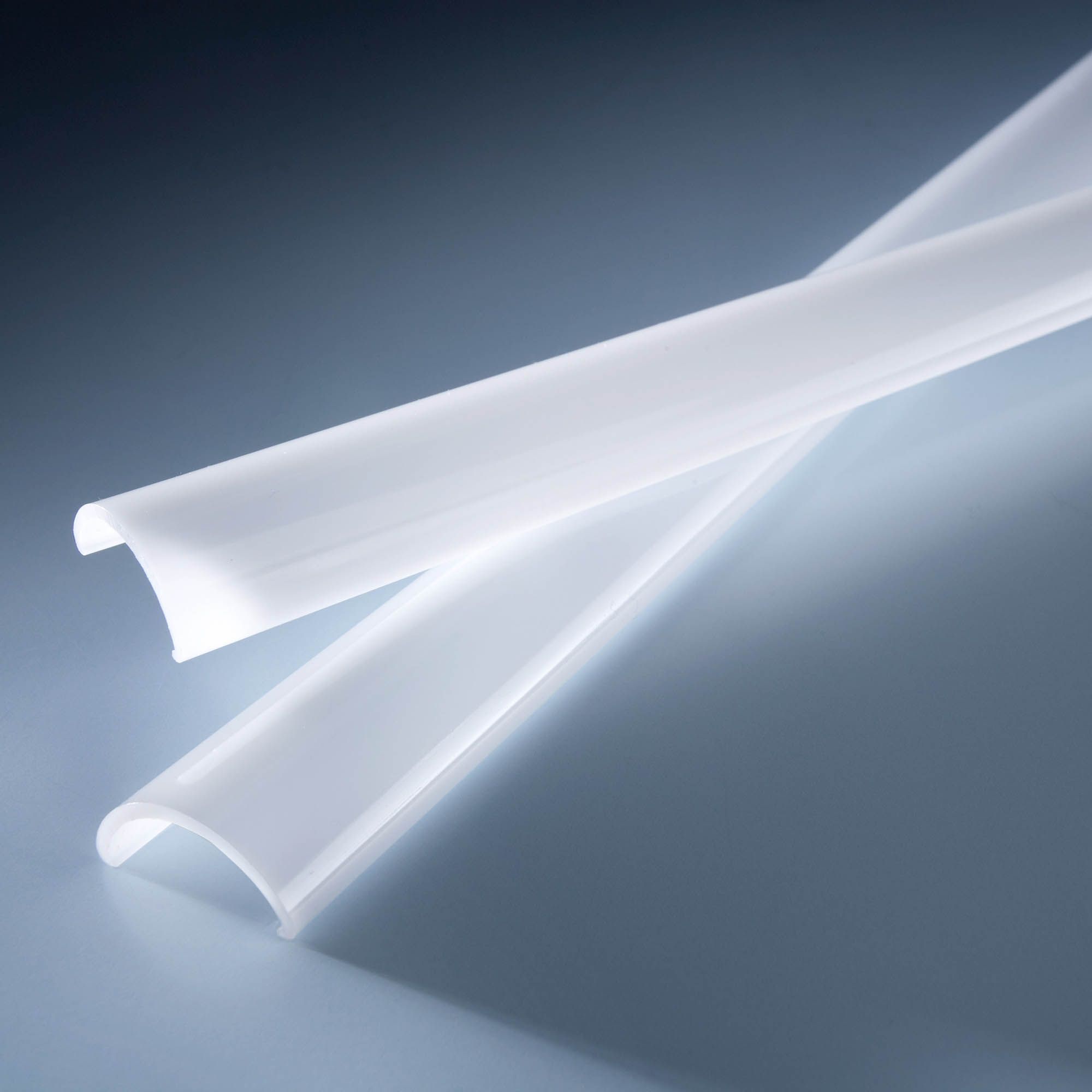
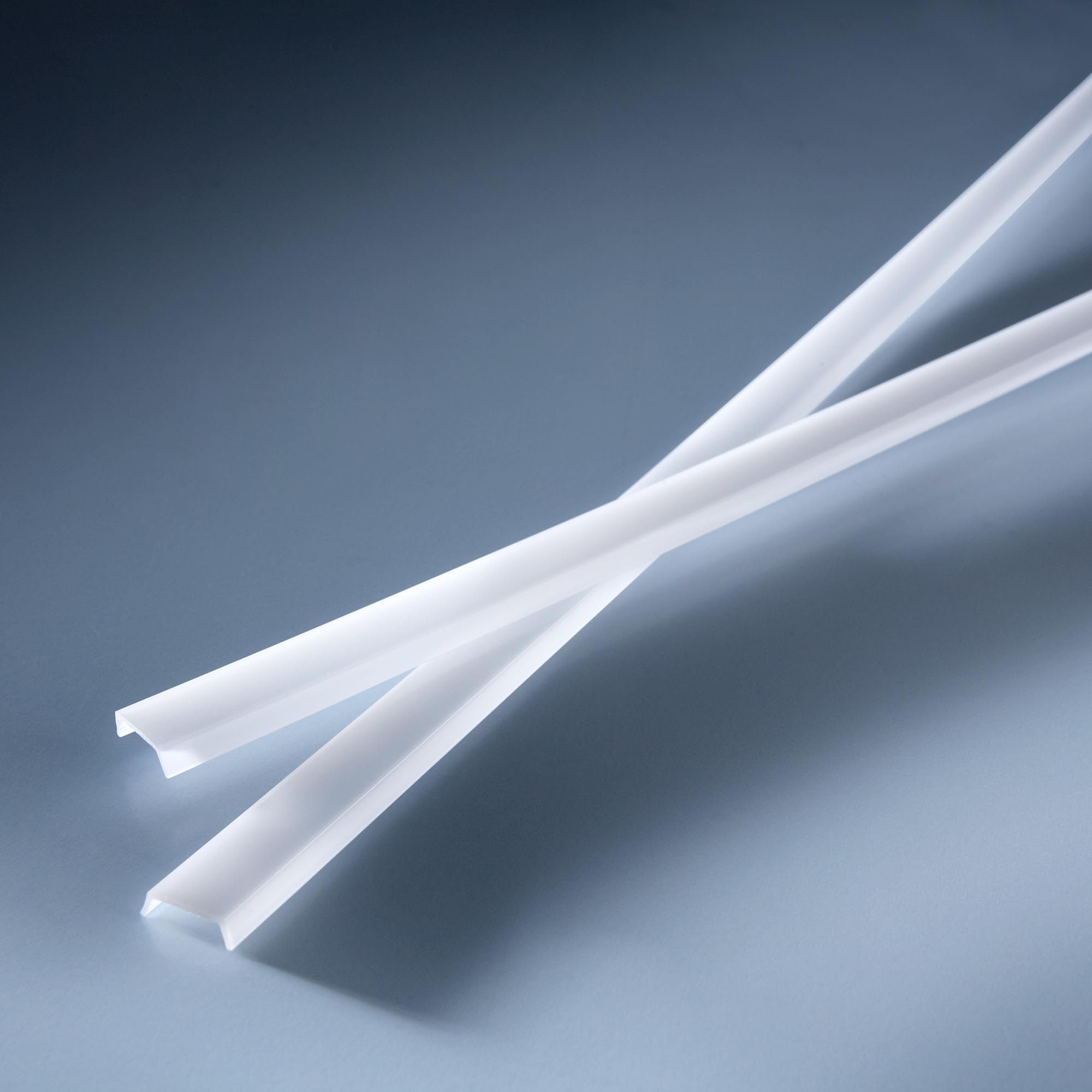
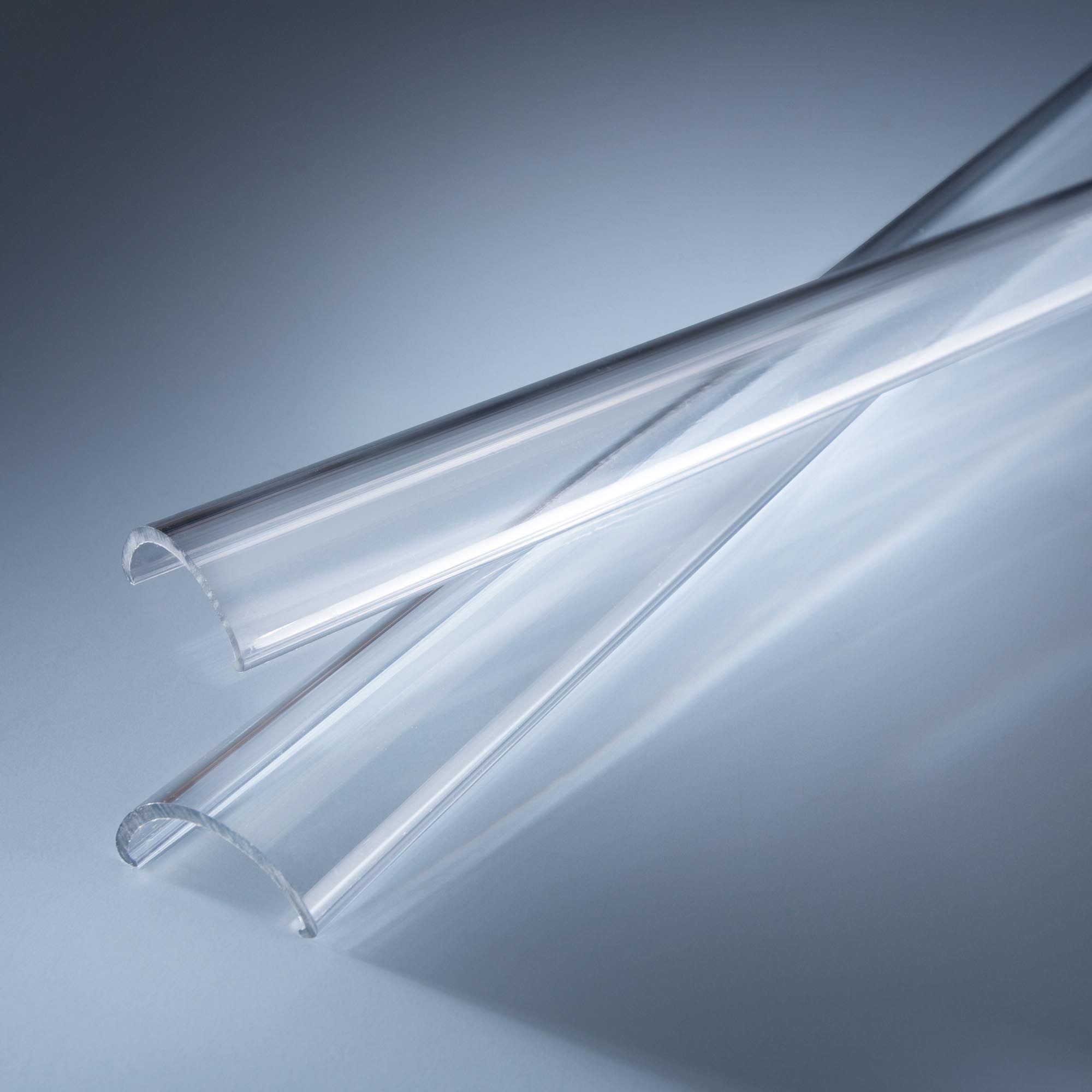
Cover A |
Cover B |
Cover C |
Cover D |
Image |
|
|
|
|
Material |
Resin |
Glass |
Resin |
Transparent Resin |
Light TransmissionRate(%) |
57 |
67 |
77 |
90 |

Basic LED principles:
An LED (light-emitting diode) is a semiconductor light source that emits light when current flows through it. Light is energy in the form of photons that emit when electrons in the semiconductor recombine with electron holes.
The higher the current flow, the brighter the LED becomes. However, the circuit is not perfect and some of the current is converted to heat instead of light. When the current reaches a certain value, the heat generated is so high that the semiconductor is permanently damaged. In most LED data sheets, this important limit is specified as "Absolute Maximum Current".
Even if the LED operates below the maximum current, the heat will slowly damage the LED, causing its luminous flux (light output) to gradually decrease. The time when the LED luminous flux is only 70% of the initial value is commonly referred to as "LED life".
For LEDs to have a very long life of 50,000h or more, a current level well below the absolute maximum current is required, which is referred to as the "typical" or "recommended" current.

As a manufacturer, we aim to use the top performing LEDs in our LED strips and modules. We are particularly focused on mid power LEDs, those that usually use less than 0.3 Watt of energy, are fairly small and require minimal or no cooling. A large share of our product portfolio is based on these LEDs.
Before choosing the best performing LED for our products we have compared more than a dozen models from the top LED manufacturers: Nichia, Osram Opto Semiconductors, Samsung, Philips Lumileds, LG Innotek, Seoul Semiconductor, Cree, Everlight.
For a meaningful comparison, we selected LEDs that function at 65 mA with a voltage between 2.75 and 3.2 V, classified in three groups:
For each category, we compared the luminous flux and luminous efficacy a the junction temperature of 25ºC ("lab temperature") and at a more realistic 100ºC. The comparison data is that from the manufacturer's data sheet.
We also added the performance data of average 5050 and 3528 LED packages because such LEDs are still used by many lighting manufacturers today in low cost linear led modules, fluorescent tubes, lamps, panels or even luxury lighting fixtures.

In the modern workplace, lighting transcends its basic function of visibility; it plays a pivotal role in influencing employee well-being, productivity, and overall satisfaction. As organizations strive to create environments that foster efficiency and comfort, understanding the nuances of office lighting becomes essential.
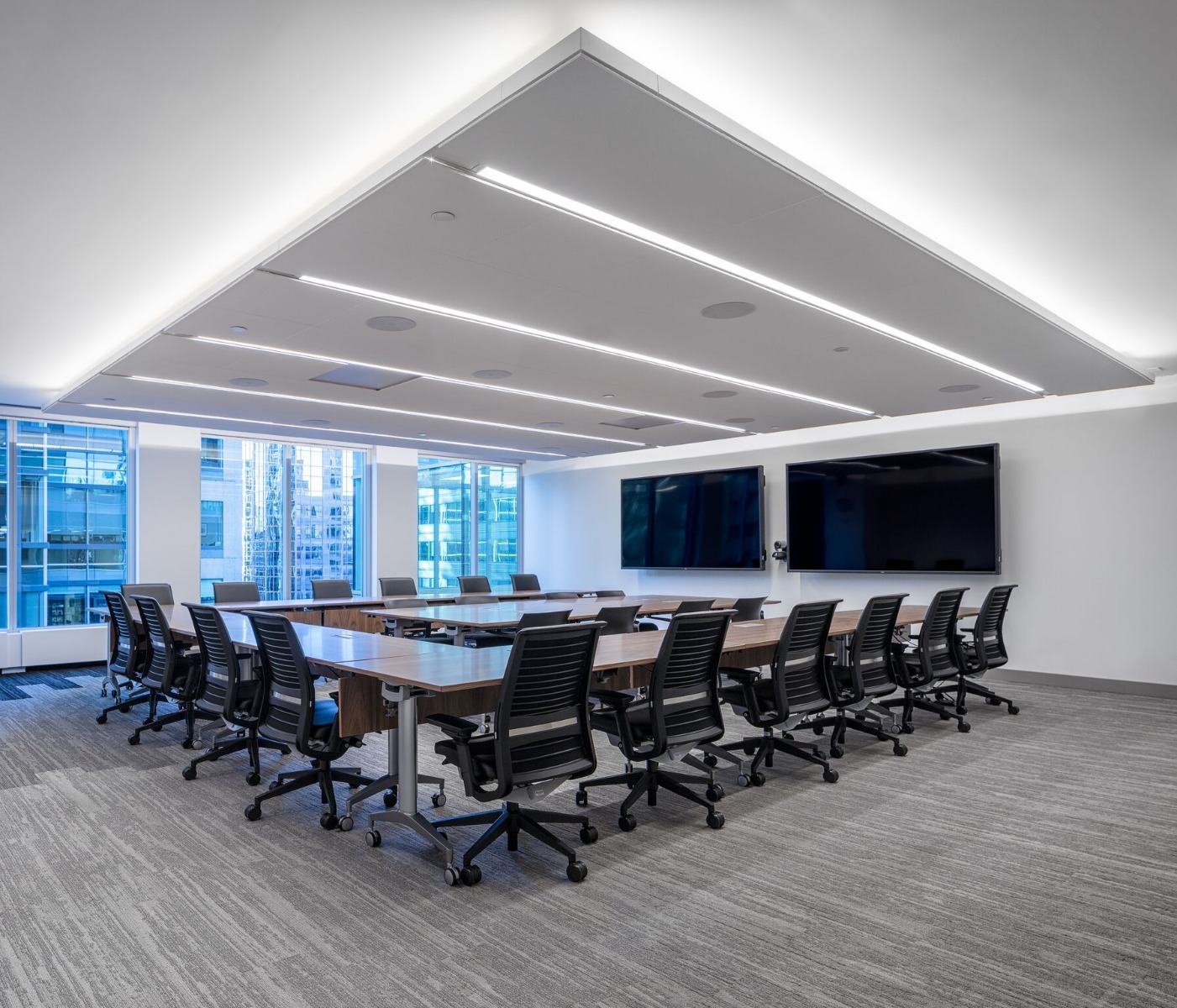
The Science of Light in the Workplace
Light impacts our circadian rhythms, mood, and cognitive functions. Inadequate or improper lighting can lead to eye strain, fatigue, and decreased concentration, while well-designed lighting can enhance alertness and performance. According to the Illuminating Engineering Society (IES), appropriate lighting levels vary depending on the task and environment, emphasizing the need for tailored lighting solutions
Recommended Illuminance Levels
Illuminance, measured in lux, quantifies the amount of light falling on a surface. The IES provides the following guidelines for office environments:
Linear light fixtures are the recommended way to light up working spaces. The recommended light levels for different types of work spaces and the corresponding luminous flux of the linear fixture are detailed below:
| Activity | Illuminance (lx, lumen/m2) |
Linear Light in lumens per meter |
|---|---|---|
| Areas with traffic and corridors - stairways, escalators - lifts - storage spaces | 100 | 2000 |
| Working areas where visual tasks are only occasionally performed | 150 | 2000 |
| Warehouses, archives, loading bays | 150 | 2000 |
| Coffee break room, technical facilities, ball-mill areas, pulp plants, waiting rooms | 200 | 2000 |
| Easy office work | 250 | 2000 |
| Normal office work, PC work, show rooms, laboratories, check-out areas, kitchens, auditoriums | 500 |
4000 |
| Mechanical workshops, office landscapes | 750 | 6000 |
| Normal drawing work, detailed mechanical workshops, operation theaters | 1000 | 10000 |
| Detailed drawing work, very detailed mechanical works, electronic workshops, testing and adjustments | 1500 | 10000 |
| Performance of visual tasks of low contrast and minimal size for prolonged periods of time | 2000 | 10000 |
| Performance of very prolonged and exacting visual tasks | 5000 | 10000 |
| Performance of exceptional visual tasks of extremely low contrast and small size | 10000 | 10000 |
Factors Influencing Lighting Needs
Task Complexity: Tasks requiring fine detail or prolonged focus necessitate higher illuminance levels to reduce eye strain and maintain accuracy.
Age of Occupants: As individuals age, their eyes require more light to perform the same tasks. A 60-year-old may need up to twice as much light as a 20-year-old, highlighting the importance of adjustable lighting solutions.
Natural Light Integration: Incorporating daylight can enhance mood and reduce energy consumption. However, it’s crucial to manage glare and ensure consistent lighting levels throughout the workspace.
Office Layout and Surface Reflectance: The arrangement of workstations and the color of walls and furniture affect light distribution. Lighter surfaces reflect more light, potentially reducing the need for artificial lighting.
Strategies for Effective Office Lighting
Use of LED Technology: LEDs offer energy efficiency, longevity, and the ability to fine-tune color temperature and brightness, making them ideal for office settings. LED strips or linear LED fixtures are the recommended lighting systems for effective office lighting.
Layered Lighting Approach: Implement a combination of ambient, task, and accent lighting to create a balanced and flexible lighting environment.
Personal Control: Providing employees with control over their immediate lighting conditions can enhance comfort and productivity.
Regular Maintenance: Ensure that lighting fixtures are clean and functioning correctly to maintain optimal light levels.
Optimal office lighting is a blend of science and design, tailored to the specific needs of tasks and occupants. By adhering to recommended illuminance levels and considering factors such as task complexity, occupant age, and natural light integration, organizations can create environments that not only illuminate but also inspire.
Our cutting-edge, high quality, and top-performance LED solutions can be customized online to perfectly match office lighting requirements.
The 3-channel LumiBar can create dynamic lighting effects with white or color Nichia LEDs, suitable for ambient lighting. With the MultiBar LED system, installation is made easy and very affordable, thanks to the plug & play system.
Linear LED Strips & Modules for general lighting, up to 4000 lumens per meter or 1200 lm/foot
Our range of customizable MultiBar or LumiFlex LED strips feature Nichia LEDs that deliver the higher light output required for general lighting.
LED Strips for Commercial Lighting, up to 10000 lumens per meter (3000 lm/foot)
Read more about recommended lighting levels for the home in our blog article.

This article is intended as a guide for those who are considering purchasing UVC disinfection equipment in 2021. These tips should only be considered as suggestions.
Attention buyers! - There are few recognized standards for equipment designed for UVC disinfection of air and/or surfaces. As a result, there are many advertisements and promotions claiming amazing performance with little or no scientific support.
The technical specifications should state the UVC irradiance at a fixed distance from the UV front of the device (e.g. 10 mW/cm2 at 2 cm).
The UV dose (irradiance multiplied by exposure time in seconds) should be at least 20-40 mJ/cm2 to inactivate viruses on perfectly flat and ideal surfaces (details in this article). Thus, if the irradiance at the target surface is 10 mW/cm2, the exposure time should be 2-4 seconds. However, the presence of microscopic gaps on flat surfaces can inhibit disinfection, and disinfection on other materials, such as cloths, may require completely different doses. For example, disinfection of viruses on medical masks may require doses as high as 1000 mJ/cm2. This is a subject that is currently being researched and our current understanding changes almost daily.
With any UV device, you must NOT look at the UV light or expose your hands from the UV side. UV light is a source of skin burns/cancer and can quickly damage the eyes.
Remember that UV disinfection is based on a "line of sight" between the UV lamp and the target surface. If the UV rays are shaded by texture elements on the surface, the shaded areas may receive much less UV light or no light at all. Disinfection effectiveness is therefore determined by the UV dose to which these areas are exposed.
Like any disinfection system, UVC equipment must be used properly to be safe.
They all generate different amounts of UVC light in wavelengths from 200 - 280 nm. UVC light is much more energetic than normal sunlight and can cause a severe, sunburn-like reaction on your skin and could also damage the retina of your eye when exposed.
Some devices also produce ozone as part of their cycle, others produce light and heat like an arc welder, and still others move during their cycles. In general, all disinfection devices must therefore take into account the safety of both man and machine.
These considerations should be taken into account in the operating manual, in user training and in compliance with appropriate safety regulations.

Effective and cost efficient disinfection or sterilizing of surfaces, water and objects can have a significant, positive effect on the general health of our society. The impact of pandemics can be greatly reduced, as well as a major decrease of illnesses in general, including from drug resistant pathogens or hospital-acquired infections (HAI).
Disinfection or sterilization with ultraviolet (UV) light can be the way to achieve such goals. However, challenges of using UV light still exist and the ways to overcome them are presented in this article.
|
"UV light annihilates viruses and bacteria by destroying their ability to reproduce. " |
Using ultraviolet (UV) light to disinfect or sterilize1 has actually been embraced by some hospitals since years, by using large, industrial-grade machines to kill microorganisms (including COVID-19) in hospital rooms or on furniture, objects, clothing or instruments. However, such machines are the perfect showcase of the challenges of using UV light. They are prohibitively expensive for private or business use, as a mobile platform with UV lamps can cost more than 60.000 USD2. Their deep UV radiation is also dangerous for people and must be used only in empty rooms.
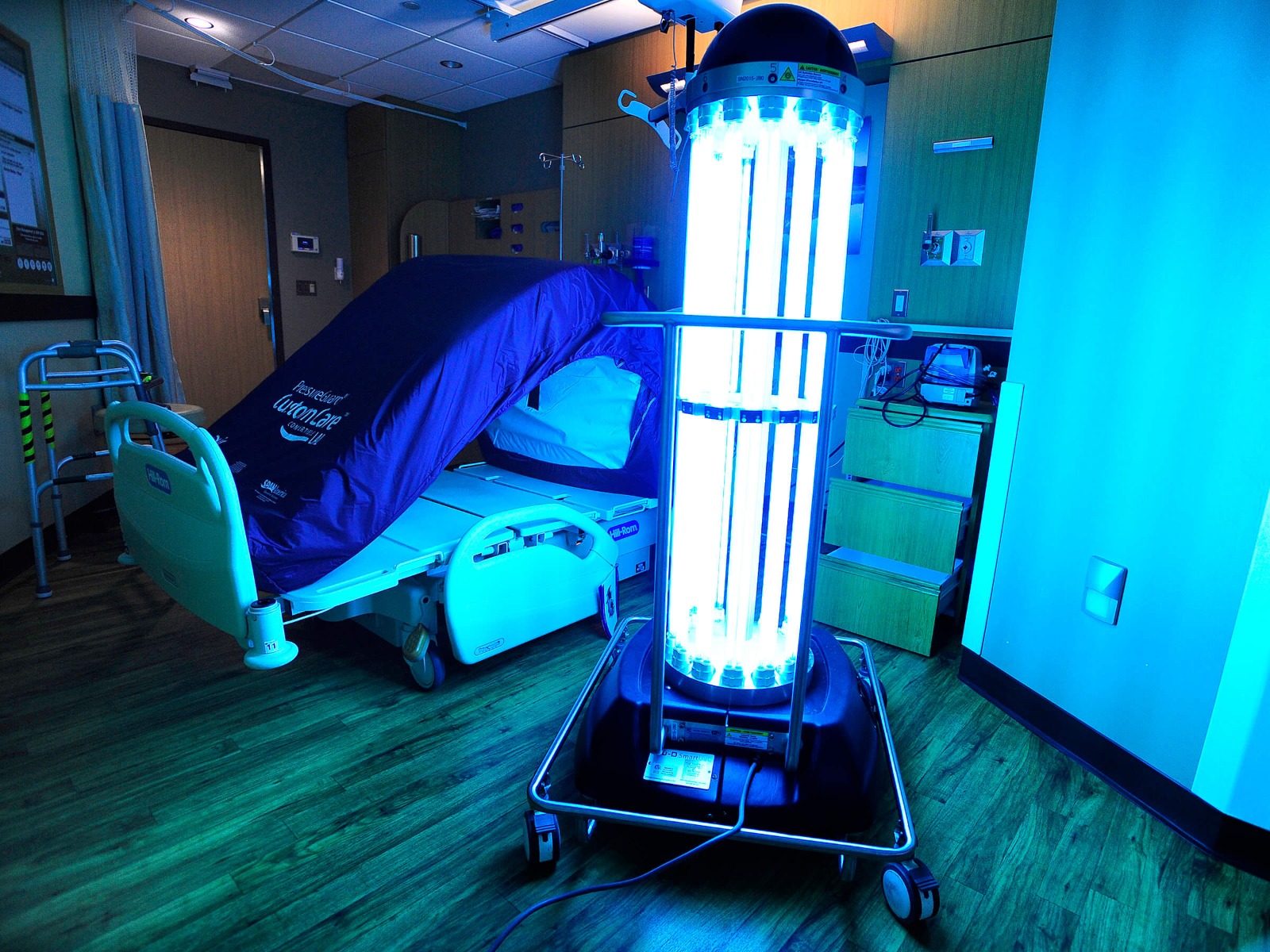
With the current advances in UV LED lighting technology both problems can be overcome.
Smaller versions of UV disinfection lamps can be built at affordable cost, so they are accessible to consumers and companies looking to clean pretty much everything, from office spaces, elevators and living rooms, to phones, computers and even toilet seats.
Different UV wavelengths with precise control of intensity and radiation pattern can make disinfection safe to be used when people are present.
How UV light kills viruses and bacteria
Bacteria are one-celled organisms that can be found naturally throughout our bodies and in our environment. Viruses are smaller than bacteria and they attach themselves to another living cell and use that cells' genetic material to reproduce themselves.
Most viruses cause disease, such as COVID-19, the flue, common cold, AIDS, chicken pox and much more. Well known dangerous bacteria are Salmonellae, Staphylococcus Aureus (MRSA) or E.coli.
While bacteria and viruses are clearly different, both have a very common attribute, they have genetic material (DNA).
Sunburns, that we have to protect from when out in the sun, happen because UV light damages DNA. This is exactly how UV light can kill all viruses and bacteria, by damaging their DNA3.
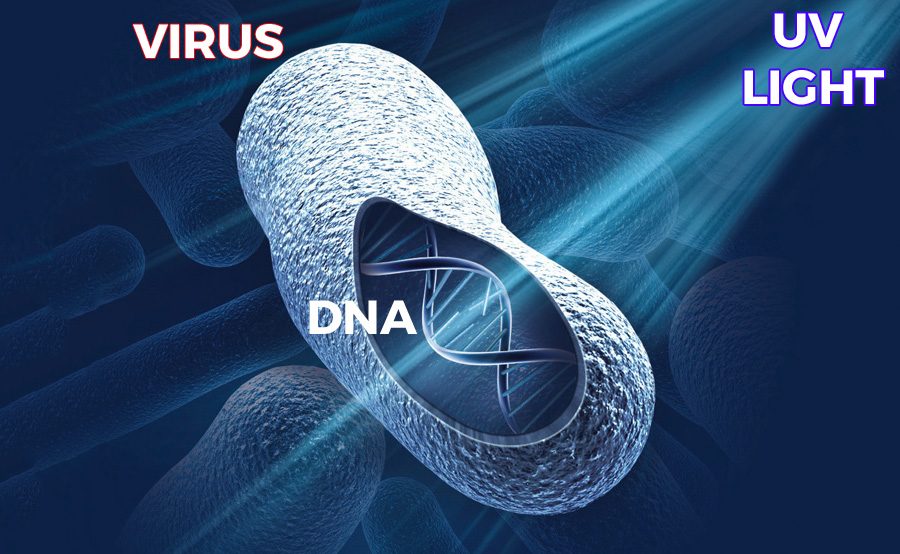
A DNA molecule is made of two strands bound together by four bases, adenine (A), cytosine (C), guanine (G), and thymine (T). These bases are like an alphabet, and their sequence forms instructions for cells to reproduce.
UV light can cause thymine bases to fuse together, scrambling the DNA sequence and essentially throwing a wrench into the replication machinery. Since the DNA sequence is no longer correct, it can no longer replicate properly. UV light annihilates viruses and bacteria by destroying their ability to reproduce.
Will it work on the coronavirus?
While COVID-19 is a new virus, the major difference to others is that people do not have immunity to it, as of yet. Exposed to UV light the COVID-19 will die like any other virus. Studies on both SARS4 and MERS proved that UV light kills viruses, so it’s almost certain it will do the same with COVID-19.
Types of UV radiation
UV is defined as electromagnetic radiation with a wavelength between 100 and 405 nm. Within this interval there are three subintervals that are very important to take into consideration: UVA, UVB and UVC.
According to CIE 1984, CIE 1987:
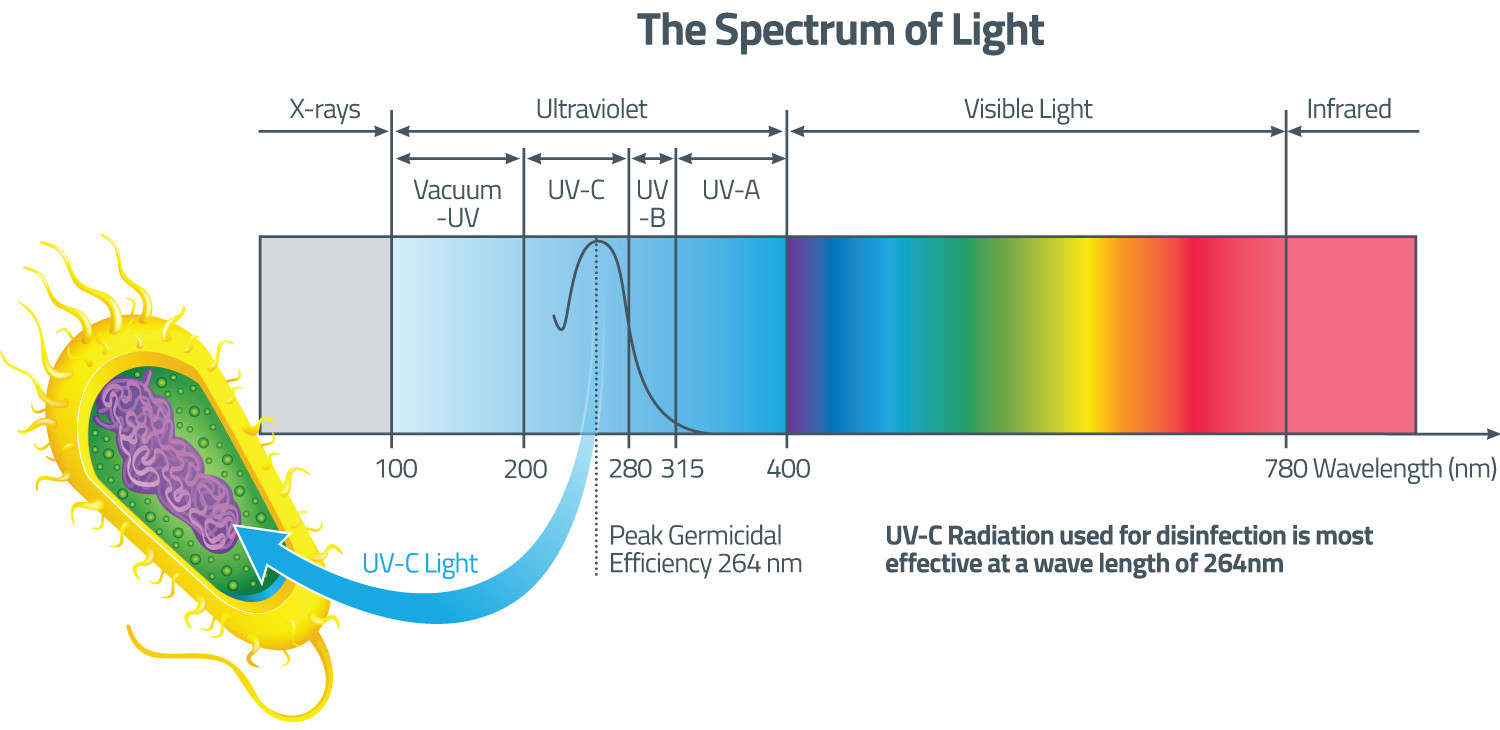 The time needed for UV to kill bacteria or viruses is depended on the radiation wavelength. UVC radiation will require the shortest time, as low a few seconds while UVA with the same irradiance will disinfect in minutes or hours.
Unfortunately there is a direct relationship between the rapidity of the sterilisation or disinfection process and the danger to human health. According to international safety standards, such as EU-Directive-2006-25-EC, UVC radiation is the most dangerous, with maximum exposure (depending on wavelength and energy) of only a few seconds.
Disinfection with UVC is currently the most used, including in the expensive robots. For this reason the deployment of UVC lamps is limited, being restricted to tightly controlled, professional use.
Germicidal UVC Lamps explained
UVC lamps that kill viruses and bacteria are called Germicidal UV Lamps.
Currently on the market the most common types of Germicidal UV Lamps are Hg lamps with UVC radiation.
Fluorescent tubes are also available with UV light, are referred to as “black lights”, but have other applications such as forensics, decorative light or “bug zappers”, depending on the wavelength peak. Some models of Hg lamps have the same format as T8 fluorescent tubes, which can lead to confusion about the type of lamp.
The most Hg lamps are low and medium pressure mercury (Hg) vapour lamps and they emit UVC radiation with a peak at 254 nm. They can reach high conversion efficiencies, up to 40%, from input electrical power to output UV radiation. However, these lamps are limited in their power density (maximum UV w/m2) and their housing is made of fused silica (quartz), a must for the necessary UV transmission and resistance to the high operating temperature.
As UVC radiation is absorbed and damaging to many materials, including plastics, these lamps are always used without any protection case, making them susceptible to breakage that can lead to mercury contamination.
UVC radiation from our sun is also blocked by the atmosphere so no living organism, including people, have protection from it. It is as dangerous to viruses as to humans, thus lamps with UVC radiation must be deployed with great care. Tiny doses can damage the skin or eyes.
|
"The major differences between germicidal Hg lamps and UVC LEDs are the safety of their use and effectiveness of irradiating UV rays on the surface that needs to be disinfected. " |
All Hg lamps also have a broad spectrum, with peaks from 185 nm to 546 nm that makes them even more dangerous for people, which restricts the medical application even more. Their radiation is emitted in all directions and cannot be easily focused with a reflector.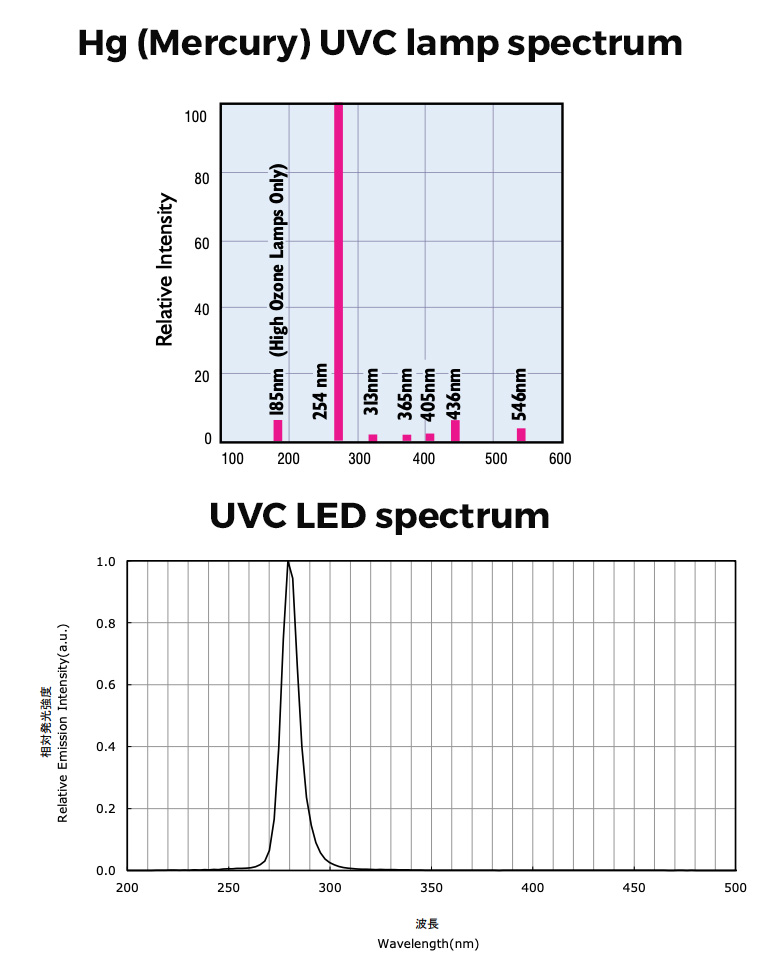
UVC light emitting diodes are built to have narrow emission spectrums, such as 265nm, 280nm (see above), 365nm or 385 nm. Many new approaches at disinfecting with light are possible.
The main body of UV-LEDs consists of the semiconducting compounds GaN, InN and AlN and their mixed crystals. When low voltage electric current passes through specially doped layer sequences of these semiconductors, it is partially converted directly into UV radiation.
With such design, UV LEDs are compact and shock resistant. They have no heat in their UV beam and very little overall, so high density arrays can be built. Because a LED has a standard viewing angle of only 120 degrees, much more UV radiation can be directed at a surface.
UVC LEDs also allow for the possibility to use high precision lens (up to 90% efficiency) so the efficiency of a disinfection device can be increased without the need for higher total UV output. The UV output of a LED lamp can be further controlled by regulating the input current with a LED driver.
These major differences compared to germicidal Hg lamps allow UVC LEDs to be designed into disinfection devices that are effective, safe, easy to use and affordable.
The effectiveness of sterilization or disinfection with UVC light depends on the exposure, time, wavelength and irradiance6.
Studies that show the effectiveness of UVC light in disinfection or sterilization present in their findings the inactivation of virus or bacteria for a given Exposure in an amount of time, for a given UV wavelength.
The Exposure (fluence or UV dose in mJ/cm2) is obtained by multiplying the Irradiance (fluence rate in mW/cm2") by the exposure time in seconds. For example for a UV with a Irradiance of 3 W/m2 the exposure for one hour is 10800 J/m2.
Germicidal action of UVC 200-280 nm for rapid disinfection and professional use
There are many studies 1,3,4,5 about the effectiveness of deploying UVC lamps for disinfection or sterilization, either with Hg lamps or LEDs. For example the results of such a study can be found below:
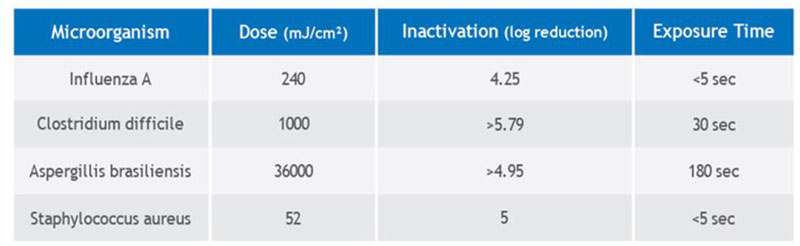
As explained, the dose depends on irradiance and time.
Example: for a dose of 100 mJ/cm2 in a period of 5 seconds a 100 / 5 = 20 mW/cm2 irradiance is required. If the irradiance is higher, the required dose of 100 mJ/cm2 is reached in less time: at 200 mW/cm2 the time is only half a second, while for 4 mW/cm2 is 25 seconds.
The research cleary shows that UVC lamps in a hospital setting could quickly disinfect surfaces, even in a matter of seconds.
With the recent COVID-19 outbreak UVC lamps where deployed is many hospitals. In China, the latest guideline on the diagnosis and treatment of the novel coronavirus released by the National Health Commission is recommending an irradiance of 1.5 watts per cubic meter to effectively eliminate the virus. A UVC lamp with this intensity can disinfect objects within one meter for at least half an hour.
The studies are the science behind the use of UV lamps for sterilization or disinfection. They are the reason why UVC lamps are used in the way they are, with powerful, short emissions in empty hospital rooms.
Similarly, research presented in this article will bring forward the disinfection with UVA LEDs.
Germicidal action of UVA 365-380 nm for widespread disinfection at affordable price
|
"<10 min & 800mW: Complete germicidal effects of E.coli and Vibrio parahaemolyticus7" "<60 min & 800mW: Complete germicidal effects for Vibrio parahaemo-lyticus, Staphylococcus aureus, Salmonella enteritidis in water8" "<5 min & 250mW: 90% eradication of C. albicans and E.coli9" "<30 min & 1000mW: 99.9% eradication of Candida albicans and Escherichia coli10" "<60 min & 10mW+1.69mW: Complete germicidal effects of Mesophilic bacteria and Fecal enterococci in 500ml of water11"
|
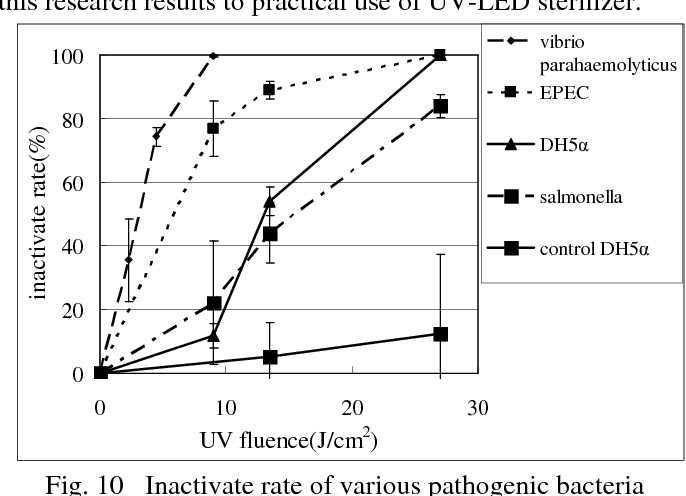
With the development of the first UVA LEDs in the 2000s, studies about the efficiency of 365 nm in disinfection and sterilization have started to appear. They are the root of concept for continuous disinfection with a summary of the results for several of these studies presented next.
1. The first was a 2007 study7 from Japan, that found that there are complete germicidal effects for E. coli and Vibrio parahaemolyticus by exposure at a 365nm UV-LED for a time of 30 minutes and 10 minutes, respectively. The conclusion came from experiments made with 8 Nichia UVA LEDs NCCU033(T) UV with a radiant power of only 100mW each.
2. The study was followed by research8 into sterilisation of water, with the same 8 LEDs Nichia UVA LEDs NCCU033(T) of 100 mW. All bacteria, Vibrio parahaemo-lyticus, Staphylococcus aureus, Salmonella enteritidis, found in water was 100% eradicated in less than 60 minutes.
3. Evidence increased with a study9 in 2010. By using one Nichia NCSU033A(T) 365nm UV-LED with 250mW from distance of 2 cm the researches concluded that 90% of C. albicans and E.coli is effectively inactivated in under 5 minutes. In 60 minutes no trace of these bacteria was found (>99% kill rate).
4. Surface sterilisation (>99.9% kill rate) in less than 30 minuts was confirmed in another 2010 study10 with 4 x Nichia NCSU033A(T) 365nm UVA LEDs with a radiant power of 250mW each (1000mW). After only 5 minutes, 90% of microorganisms, (Candida albicans and Escherichia coli), where gone.
5. In a very interesting study11 from 2012, a combination of wavelengths from one 365nm, 10mW UVA LED and one 280 nm, 1.69 mW UVC LED, both from Seoul Semiconductor successfully disinfected of microorganisms 500 ml of waste water in under 60 minutes. Study was conducted on Mesophilic bacteria and Fecal enterococci.
These studies and others show that UVA radiation can also kill 99% of all bacteria or viruses (including COVID-19) with the condition of longer exposure or fluence than of UVC radiation.
All the above studies from 2007-2012 where conducted with UVA LEDs that irradiate the test surface or liquid from short distances because of the limited UV power of LEDs available at the time of the research.
By 2021 the UV power of UVA LEDs has increased exponentially and practical application of the results is now possible:
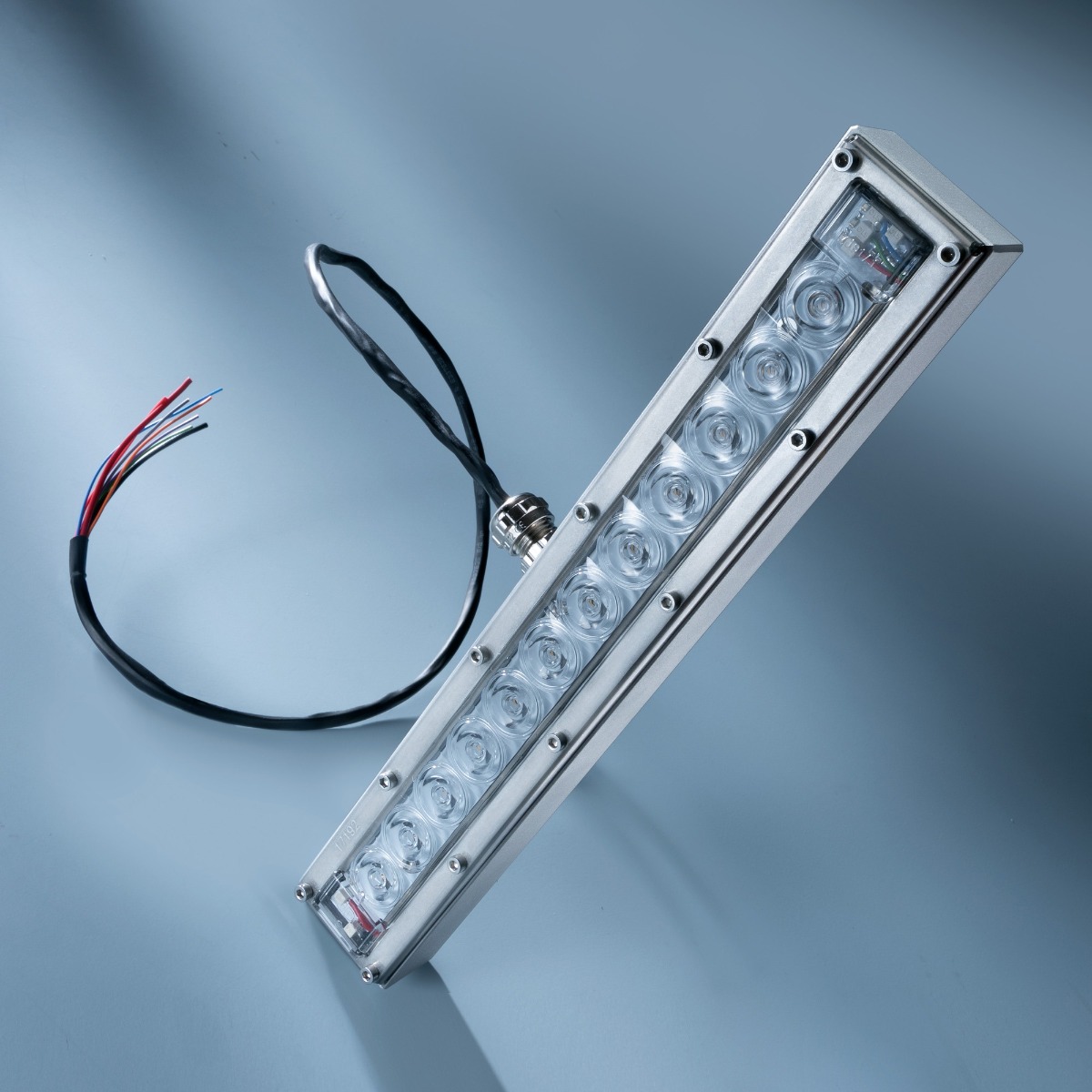
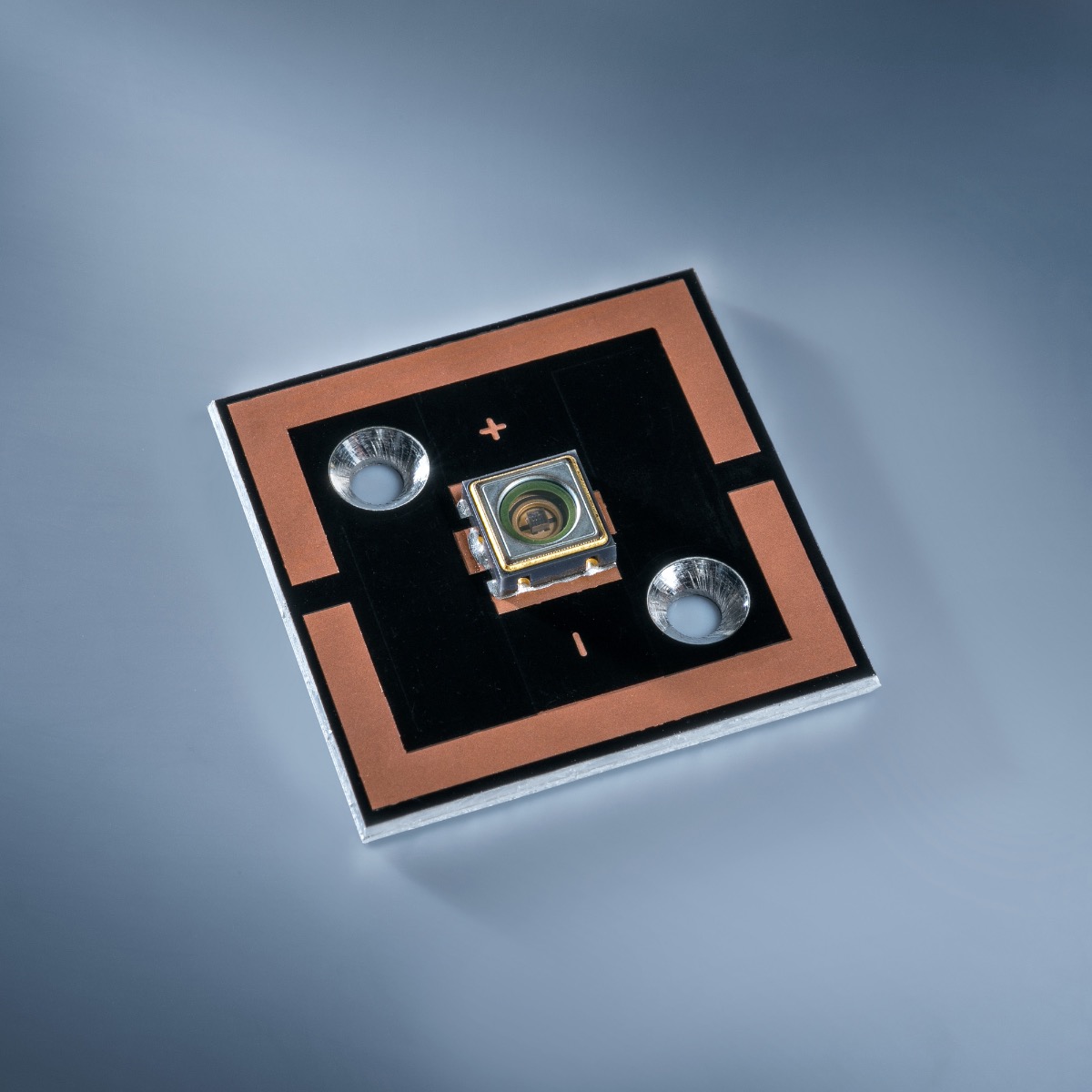
With their small size, UVA LEDs can be placed in linear module, such as the NVSU233B PowerBar with more than 12000 mW of UV radiant power for only 28 cm of length. At such level of radiation power with narrow spectrum, combined with the precision of optics technology and easy to control out via current limitation the new application of continuous disinfection is practical and can become widespread.
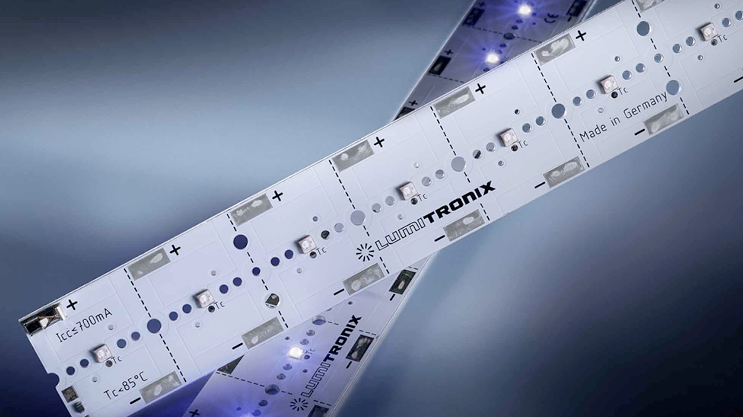
UVC LEDs also have seen progress, with typical radiant power at 50 to 100 mW, from LEDs such as Nichia NCSU334A (55 mW typical at 350mA). However, they still have too low radiant power for disinfection of rooms or even work surfaces. Possible applications for UVC LEDS are UV spotlight devices for disinfection at short distance or in fixtures in combination with UVA LEDs.
Continuous disinfection with 365nm UVA LEDs
The idea of continuous disinfection comes from the scientific fact that radiation at safe level for people can still kill viruses and bacteria.
|
“<8 hours & 3W/m2: up to 99% eradication of Staphylococcus aureus and Escherichia coli12” “<8 hours & 3W/m2: up to 99% eradication of Staphylococcus aureus (MRSA), Candia auris, virus Phi X174 ,virus MS-213” |
According to the IEC Standard 62471:2006, ‘Photobiological Safety of Lamps and Lamp Systems’ that gives safety thresholds for near-UV (UV-A; 315–400 nm) and far-UV (actinic; 200–400 nm), exposure at near-UV radiation, including 365nm, on the skin or at the eyes is safe for a period of up to 8 hours if the irradiance is limited to 10 W/m2. For far UV, the safe actinic-weighted irradiance limit is only 0.001 W/m2, also for 8 hours.
|
A system for continuous disinfection can be easily build with 365nm UVA LEDs that respect the 10 W/m2 safety threshold and function for a maximum of 8 hours per day. Example: 365 nm UVA LEDs with 40W radiant power are placed inside a luminaire at room height of 2.5m and function 8 hours per day. The UVA radiation at 1.9m from the floor (height of a typical tall person) will be less than the 10 W/ m2, below the safety threshold for exposure up to 8 hours per day. The UVA LEDS will disinfect the work areas at 80-100 cm from the floor with irradiance of approximately 3 W/m2 , which has been proven to be effective to kill up to 99% of virus and bacteria. |
The continuous disinfection with 3 W/m2 irradiance from 365nm UVA LEDs has been proven to be effective, safe and easy to implement in a 2019 study12 published in the USA academic journal Lighting Research & Technology. The research found that the exposure to 365nm UVA radiation of only 3W/m2 at workplace height for 8 hours each day is safe for humans but will kill pathogens.
UVA LEDs where installed in ceiling luminaires, in patient rooms at the Memorial Beacon Children’s Hospital in South Bend, Indiana, USA, and functioned 8 hours per day with a irradiance of 3W/ m2 at workplace height. The UVA light was directed at the sink and counter areas, where the highest risk of infection exists.
Effectivnes of continuous disinfection was tested in these areas. Results show a reduction of up to 98% of the pathogens such Staphylococcus aureus and Escherichia coli.
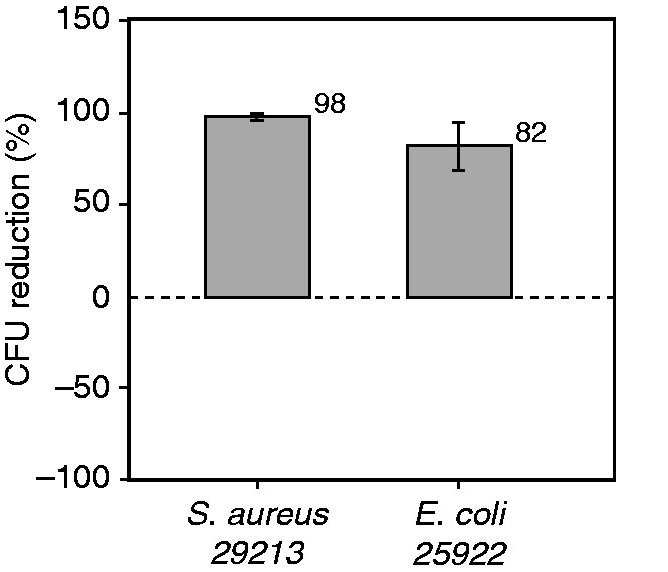 A follow up study in a 2020 edition of the the American Journal of Infection Control13 found similar results of reduction from 3W/ m2 irradiance on the presences of pathogens such as methicillin-resistant Staphylococcus aureus (MRSA), Candia auris, the enveloped virus bacteriophage Phi X174(ATCC 13706-B1) and the nonenveloped virus bacteriophage MS-2(ATCC 15597-B1).
Such studies create vast possibilities for the use UV LEDs for disinfection or sterilisation. Continuous disinfection with less than 10W/m2 with 365nm UVC LED light fixtures, faster disinfection with higher but controlled amounts from of UVC or UVA LEDs, or a combination of both are just some of the possibilities. More research about the effects on pathogens should also be made in order for this method to become standard, recommended, medical practice.
Continuous disinfection with near-UVA 405nm violet LEDs
A ceiling-mounted lighting system measuring 2 ft x 4 ft with 405nm violet UV LEDs where installed in two operating rooms (ORs), with an irradiance level of 5-6 W/m2 (0.498 mW/cm2 to 0.558 mW/cm2) at workplace level15.
The study focused on measuring the infections in the two ORs between the previous period when manual cleaning was used to the current period, with augmented disinfection with the violet light 405nm system.
While violet light is much safer than UVA, it is visible light that impacts the color redention of the lighting installation, thus the violet LEDs only function when the rooms where not in use.
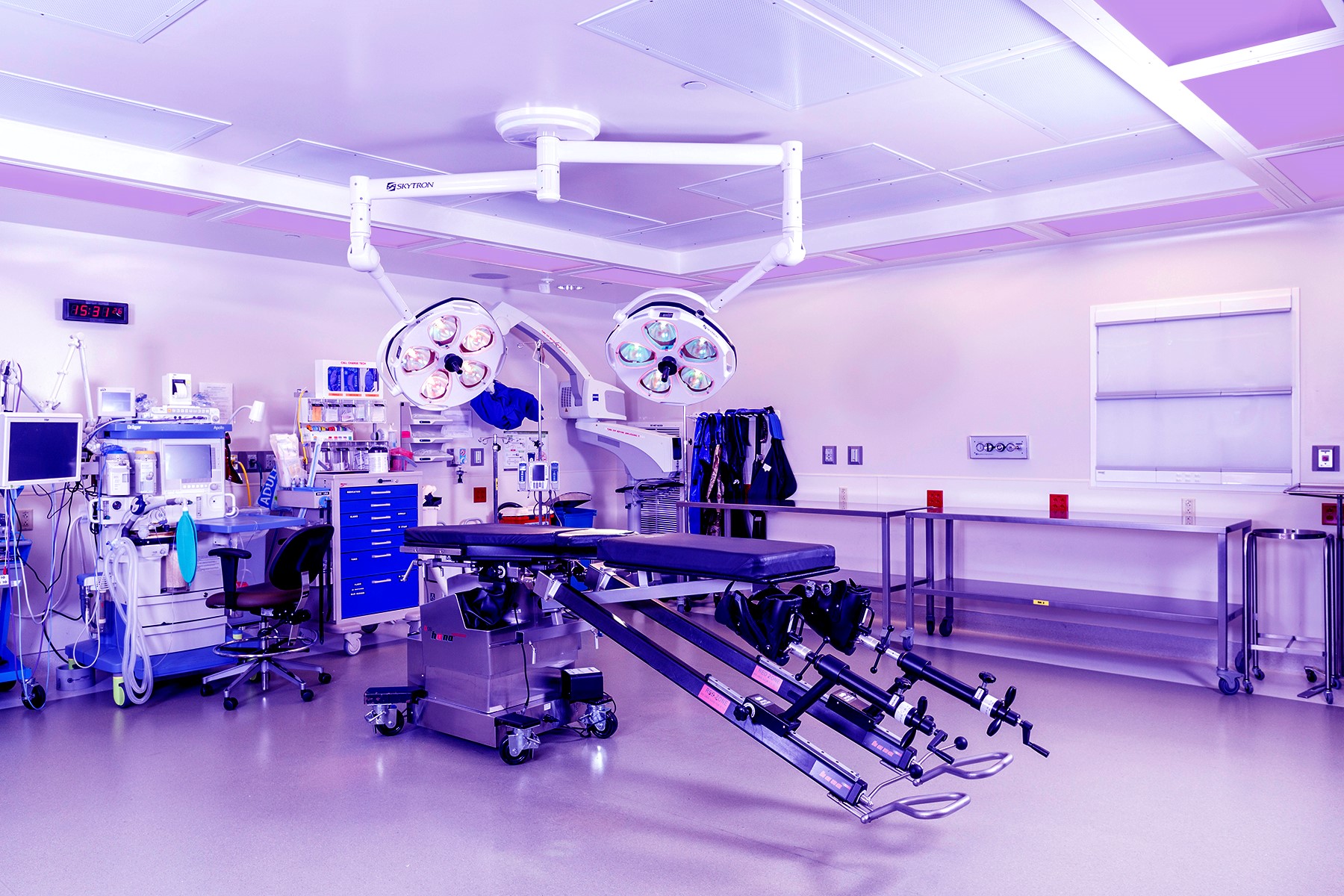
At the end of the study, statistically significant reduction was discovered, with only 3 infections compared to an anticipated 12 infections that resulted from a prediction based on the previous period. The conclusion was that a potential 9 infections were prevented. The results where so promising that lighting systems with violet LEDs for continuous disinfection are already installed in operating rooms in more than 20 hospitals across the USA16.
References:
Disclaimer: This article is for informative purpose only. The accuracy of the facts, findings an results presented are as good as the research results that are quoted above and the understanding of the author. Ledrise, nor the author of this article, are to be held responsible for the results of using UV disinfection/ sterilization based on information in this article.
If there are inaccuracies in this article there are solely by error. We appreciate all feedback in this matter.
Fact Sheet on UV Disinfection for COVID-19
The scientific community now strongly believes that UV disinfection technologies can play a role in a multiple barrier approach to reducing transmission of the virus that causes COVID-19, SARS-CoV-2, based on current disinfection data and empirical evidence. UV is a well-known disinfectant for air, water and surfaces that, when used correctly, can help reduce the risk of infection from contact with the COVID-19 virus. Leading experts from around the world have gathered to develop a guide to the effective use of UV technology as a disinfection measure to reduce transmission of the COVID-19 virus.
It should be noted that "UVC", "UV disinfection" and "UV" as used here and in the scientific, medical and technical literature refer specifically and importantly to UVC light energy (200-280nm light) in the germicidal range, which is not the same as UVA and UVB radiation used in tanning beds or sun exposure.
Facts about UV and COVID-19
Can UVC help prevent the transmission of COVID-19 by reducing contamination?
Based on the available evidence, scientists believe so. Here's why:
The scientific community recognizes that in cases where the UVC light cannot reach a particular pathogen, that pathogen is not disinfected. However, in general, by reducing the total number of pathogens, the risk of transmission is reduced. The total pathogen load can be significantly reduced by applying UV light to the many surfaces that are easily accessible, as a secondary barrier to cleaning, especially under hurried conditions. This would be a relatively simple matter of illuminating relevant surfaces with UVC light, e.g. the air and surfaces around rooms and personal protective equipment.
UV light, specifically between 200-280nm[i] (UVC or the germicidal range), inactivates (aka, "kills") at least two other coronaviruses that are close relatives of the COVID-19 virus: 1) SARS-CoV-1[ii] and 2) MERS-CoV[iii] [iv] [v]. An important caveat is that this inactivation has been demonstrated under controlled conditions in the laboratory. The effectiveness of UV light in practice depends on factors such as exposure time and the ability of UV light to reach viruses in water, air and in the folds and crevices of materials and surfaces.
Are UVC disinfection devices safe?
Like any disinfection system, UVC devices must be used properly to be safe). They all produce varying amounts of UVC light with a wavelength of 200nm-280nm. This UVC light is much "stronger" than normal sunlight and can cause a severe sunburn-like reaction on your skin. The target tissue in the eye would be the cornea (and not the retina). The effect on the cornea is called photokeratitis, which is also known as sweat flash or snow blindness, so it's like sunburn of the eye. It is unlikely that any of the UVC light will pass through the cornea and then the lens to reach the retina as it is a short wavelength (i.e. high frequency).
Some devices also produce ozone as part of their cycle, others produce light and heat like an arc welder, still others move during their cycle. Therefore, general machine and human safety must be considered with all disinfection equipment and these considerations should be addressed in the operating manual, user training and relevant safety regulations.
Are there performance standards and UVC validation protocols for UV disinfectors?
Given the wide range of UVC devices marketed for disinfection of air, water and solid surfaces, the lack of uniform performance standards and the widely varying degree of research, development and validation testing performed on different devices, the scientific community strongly recommends that consumers exercise caution when selecting devices and look for evidence of third-party testing and certification of device materials and electrical components by well-known organizations such as NSF, UL, CSA, DVGW-OVGW or other international requirements.
For UVC devices intended to inactivate air and solid surfaces in the healthcare industry,the scientific community is working intensively with national standards organizations in the lighting and healthcare industries to develop disinfection test standards[x]. The goal is to develop guidelines that will help healthcare providers worldwide select the best possible technologies for their facilities in the fight against multidrug-resistant organisms and other pathogens[xi], such as the COVID-19 virus.
Supporting Global Action to Reduce the Transmission Of COVID-19, CIE Releases Two Publications on Ultraviolet Radiation Disinfection - FOR FREE
http://cie.co.at/news/cie-releases-two-key-publications-uv-disinfection
Advice (i.e., tips) for the selection and operation of equipment for the UV disinfection of air and surfaces
http://iuva.org/Advice-selection/operation-of-equipment-for-the-UV-disinfection-of-air-and
Standards for European medical devices and personal protective equipment available free of charge from The German Institute for Standardization (DIN)
https://www.din.de/en/din-and-our-partners/press/press-releases/covid-19-din-makes-standards-for-medical-equipment-available-708628
Illuminating Engineering Society. IES CR-2-20-V1, IES Committee Report: Germicidal Ultraviolet (GUV) – Frequently Asked Questions. New York: IES, 2020.
https://media.ies.org/docs/standards/IES-CR-2-20-V1-6d.pdf
[i] “Miscellaneous Inactivating Agents - Guideline for Disinfection and Sterilization in Healthcare Facilities (2008);” Centers for Disease Control and Prevention, National Center for Emerging and Zoonotic Infectious Diseases (NCEZID), Division of Healthcare Quality Promotion (DHQP) (https://www.cdc.gov/infectioncontrol/guidelines/disinfection/disinfection-methods/miscellaneous.html)
[ii] “Large-scale preparation of UV-inactivated SARS coronavirus virions for vaccine antigen,” Tsunetsugu-Yokota Y et al. Methods Mol Biol. 2008;454:119-26. doi: 10.1007/978-1-59745-181-9_11.
[iii] “Efficacy of an Automated Multiple Emitter Whole-Room Ultraviolet-C Disinfection System Against Coronaviruses MHV and MERS-CoV,” Bedell K et al. ICHE 2016 May;37(5):598-9. doi:10.1017/ice.2015.348. Epub 2016 Jan 28.
[iv] “Focus on Surface Disinfection When Fighting COVID-19”; William A. Rutala, PhD, MPH, CIC, David J. Weber, MD, MPH; Infection Control Today, March 20, 2020 (https://www.infectioncontroltoday.com/covid-19/focus-surface-disinfection-when-fighting-covid-19)
[v] Ibid.
[vi] “Preventing the Spread of Coronavirus Disease 2019 in Homes and Residential Communities”; National Center for Immunization and Respiratory Diseases (NCIRD), Div. of Viral Diseases (https://www.cdc.gov/coronavirus/2019-ncov/hcp/guidance-prevent-spread.html)
[vii] “New coronavirus stable for hours on surfaces”; CDC (extracted from N van Doremalen, et al. Aerosol and surface stability of HCoV-19 (SARS-CoV-2) compared to SARS-CoV-1. The New England Journal of Medicine. DOI: 10.1056/NEJMc2004973 (2020) (https://www.nih.gov/news-events/news-releases/new-coronavirus-stable-hours-surfaces).
[viii] “Inactivation of SARS coronavirus by means of povidone-iodine, physical conditions and chemical reagents;” Kariwa H et al. Dermatology 2006;212 (Suppl 1): 119 (https://www.ncbi.nlm.nih.gov/pubmed/16490989)
[ix] “Ultraviolet Radiation and the Work Environment (Revised. See: 74-121),” The National Institute for Occupational Safety and Health (NIOSH), Page last reviewed: March 29, 2017 (https://www.cdc.gov/niosh/docs/73-11005/default.html)
[x] “Pathway to Developing a UV-C Standard – A Guide to International Standards Development”, C. Cameron Miller and Ajit Jillavenkatesa, IUVA News / Vol. 20 No. 4, 2018
[[xi] “Healthcare Associated Infections Workshop Advances Development Of Ultraviolet Disinfection Technologies,” IUVA Press Release, dated 24 Jan 2020 4:14 PM (http://iuva.org/Projects-Articles-Repository/8672736)
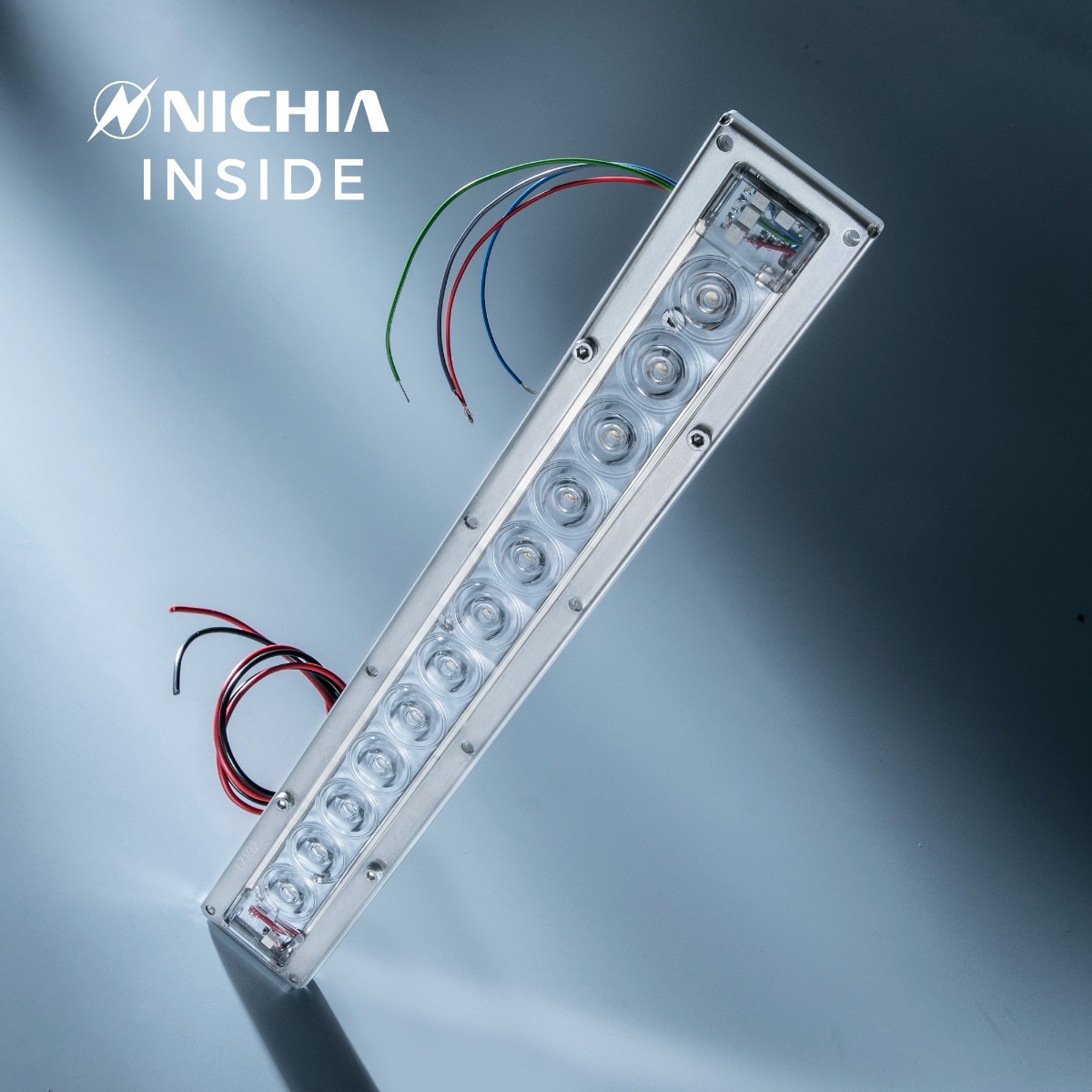

The IP protection index is an essential feature of most electrical equipments and indicates the degree of protection of the device against external factors such as solid objects or liquids. This protection is expressed by the word "IP", followed by 2 numbers that indicate
The IP rating is relevant when the environmental conditions are normal. For hazardous environments, special protection is required.
Although there are numerous combinations of IP ratings for LED strips, the most common are IP67, IP65, IP44, IP20.
In general, all LED strips have IP20 protection, IP44 can be found for LED strips within an aluminum profile with closed end caps and IP65 or more is normally used for waterproof LED strips.

Linear lamps are the most popular light source in the office and commercial sectors, with billions of linear lamps installed across the world, operating 11 hours on average each day of the year. Added up, the office and commercial sectors account for near half of the lighting electricity consumed on the planet.
LED linear fixtures must be environmental friendly with focus on energy efficiency, durability, and exclusion of dangerous substances. Those they replace, the linear lamps consisting of fluorescent lamps, are not environmental friendly, with short lifespan, high mercury content and UV light emissions.
What defines an environmental friendly LED linear lamp?